Quick answer
No hot water usually comes down to power, gas supply or a failed part. For electric systems, check the hot water circuit breaker and off-peak timing. For gas, check other gas appliances work. For solar or heat pumps, check the booster or power. A leaking tank or repeated failure needs a licensed plumber.
Waking up to no hot water is one of those problems that turns an ordinary morning upside down. The good news is that a few safe checks can often tell you whether it’s a simple power or supply issue, or a failed part that needs a plumber or electrician. The checks differ for electric, gas, solar and heat pump systems, so start by working out which type you have.
This guide walks through the checks for each type, what a hot water system leaking means, how long systems tend to last, and when to call a licensed tradie. For the service itself, see our hot water systems page.
What type of hot water system do you have?
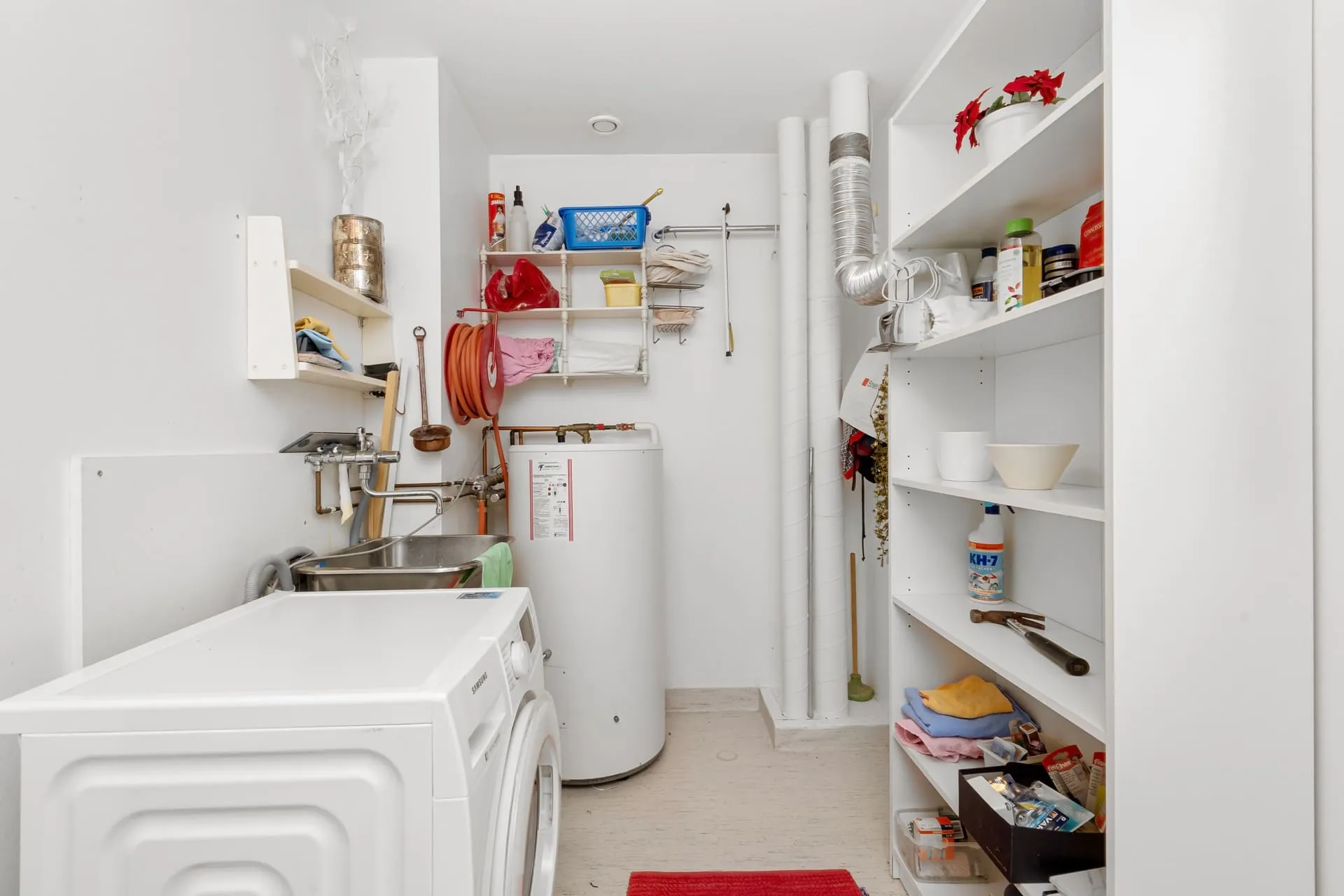
Look at the unit and its label. energy.gov.au describes hot water systems as either storage-based, with a tank kept hot and ready, or instantaneous, heating water only when needed.
| Type | How to recognise it |
|---|---|
| Electric storage | A tank with no flue, often outside or in a cupboard, with a label showing kW and volts. |
| Gas storage | A tank with a flue on top and a gas pipe connected, often with a small viewing window near the base. |
| Gas continuous flow | A slim box on an outside wall, with gas and water pipes underneath. |
| Heat pump | A tank with a fan unit on top or beside it, a bit like an air conditioner. |
| Solar | Panels or tubes on the roof, with a tank on the roof or on the ground, plus a gas or electric booster. |
Why is my hot water not working? Checks by system type
Start with the checks below. Don’t open covers, touch wiring, or adjust gas parts.
Electric storage
- Check the switchboard. Look for a tripped circuit breaker or safety switch labelled “HWS” or “hot water”. You can reset it once.
- If it trips again, leave it off and call an electrician. A breaker or safety switch that keeps tripping usually points to a fault in the heater element or its wiring.
- Check timing. energy.gov.au notes that off-peak systems only heat during off-peak times, so heavy use during the day can empty the tank until the next off-peak period.
- Check any isolating switch near the heater is on.
Gas storage and continuous flow
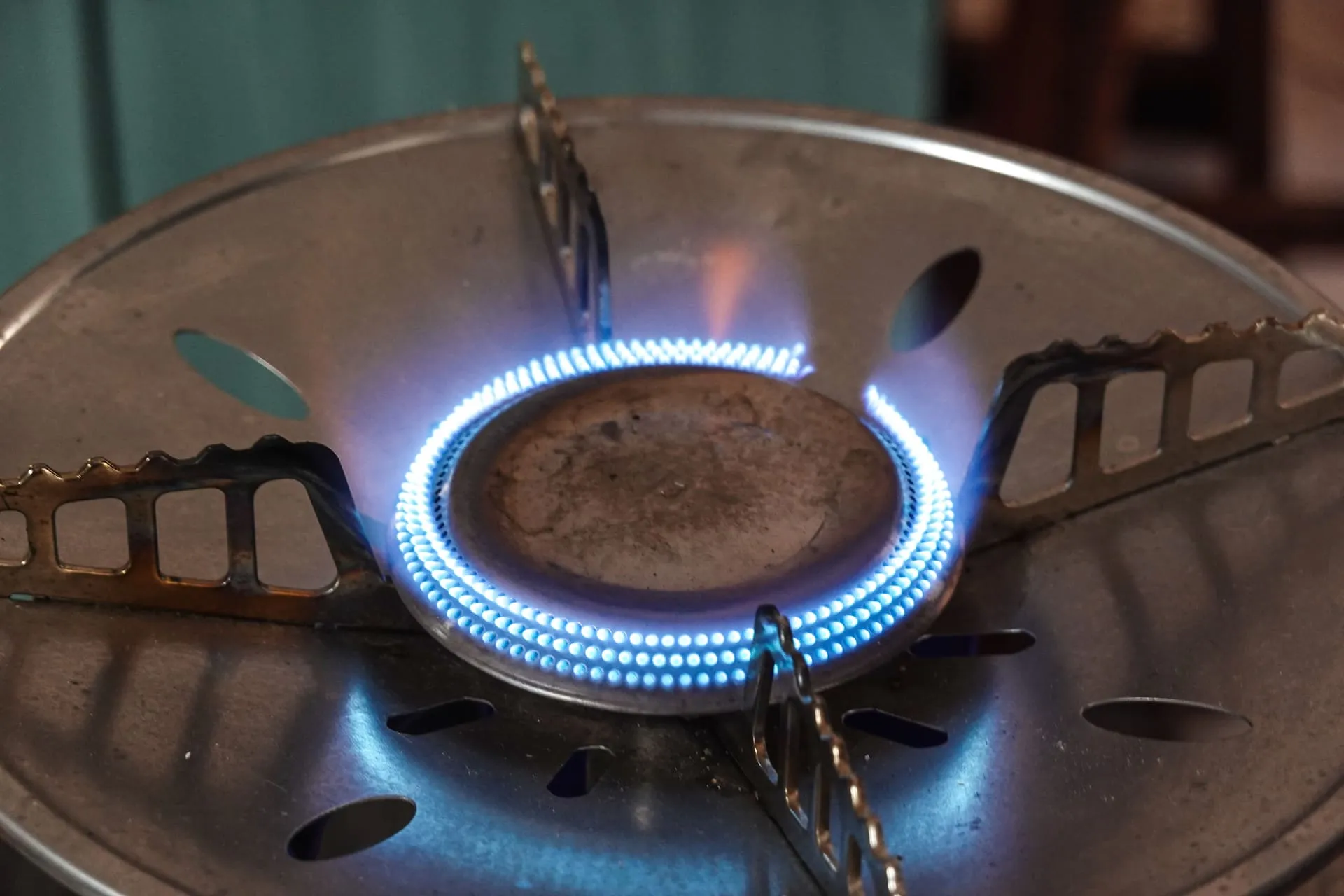
- Check whether other gas appliances, such as the cooktop, are working. If not, the problem may be the gas supply.
- For continuous-flow units, check the unit has power. Most need electricity for the igniter and controls.
- Look for an error code on the unit or a wall controller, and note it for the plumber.
- For older storage units with a pilot light, follow only the instructions on the unit’s label. If it won’t stay lit, or you are unsure, leave it for a gas fitter.
Solar and heat pump
- For solar, check the booster switch or circuit breaker is on, especially after a run of cloudy days.
- For heat pumps, check the circuit breaker and any controller. Heat pumps can take longer to recover in cold weather.
- Listen for the fan or pump running. Silence can mean a power or control fault.
If you smell gas at any point, stop. Don’t use switches or flames, leave the area and call Australian Gas Networks on 1800 427 532.
What does it mean if your hot water system is leaking?
Where the water comes from tells you a lot.
| Where the leak is | What it often means | What to do |
|---|---|---|
| A small, steady drip from the relief valve pipe while heating | Can be normal expansion | Monitor it. See hot water relief valve leaking. |
| Relief valve pouring or running constantly | Valve fault or pressure or temperature problem | Call a plumber. |
| Fittings or pipes at the top or bottom | A loose or failed fitting | Call a plumber; often repairable. |
| The tank body or base, or pooling under the tank | Tank failure, often from internal corrosion | Turn off power or gas and the cold water valve to the heater, and call a plumber. The tank usually needs replacing. |
Never block or cap a dripping relief valve. It is a safety device that releases pressure and heat.
How long does a hot water system last?
There is no single answer. Lifespan depends on the type of system, water quality, water pressure, maintenance and how hard the system works. In parts of Adelaide, hard water causes scale that wears elements, valves and tank linings faster. Storage tanks also rely on a sacrificial anode to slow corrosion, and if it isn’t checked, the tank itself can corrode.
Signs your system is near the end:
- Rust-coloured hot water, or rust stains on the tank.
- Water around the base of the tank.
- Rumbling or popping noises while heating.
- Hot water running out faster than it used to.
- Frequent repairs.
Check the date on the unit’s label and the manufacturer’s warranty. If replacement is likely, our guide to hot water system replacement cost explains what drives the price and what SA’s water heater rules mean for your options.
Repair or replace?
Many no-hot-water problems are repairable. Thermostats, elements, igniters, relief valves and some control boards can be replaced. A leaking tank cannot be repaired and needs replacing.
When replacement is needed, the SA Government’s water heater requirements apply to replacement heaters, and for most homes mean a low-emission system such as high-efficiency gas, solar or an electric heat pump. The plumber can explain which options suit your home. See heat pump vs gas hot water to understand the trade-offs.
How can you avoid running out of hot water?
Sometimes “no hot water” is really “not enough hot water”. If the system works but runs out, the cause may be use rather than a fault. Things to look at:
- Back-to-back showers. A tank sized for two people will struggle when a growing family showers one after another.
- Off-peak timing. An off-peak electric tank only reheats in its set period, so a big day of washing can leave it empty until the next cycle.
- Shower heads. High-flow shower heads drain a tank quickly. Water-efficient shower heads stretch the same tank further, and the SA Government’s water heater requirements include them for most new and replacement installs.
- Thermostat or element faults. If the water is lukewarm rather than cold, a thermostat or one of two elements may have failed.
- Cold weather. Heat pumps and solar systems work harder in winter, and Adelaide Hills homes notice this more than coastal suburbs.
A plumber can tell whether the system is undersized, faulty or simply set up for a different household.
What should you tell the plumber?
You’ll get a faster, more accurate answer if you have these details ready:
- The brand, model and type, from the label on the unit.
- Its approximate age, if you know it.
- What happened: sudden loss, lukewarm water, leaking, noises or an error code.
- What you have already checked, such as the breaker or gas supply.
- Whether the unit is easy to reach or in a roof space or tight cupboard.
- A photo of the unit and its label.
When should you call a licensed tradie?
Call a plumber when:
- The tank is leaking from the body or base.
- Hot water hasn’t returned after resetting a tripped breaker once.
- The relief valve is running constantly.
- A gas unit won’t light or keeps going out.
- Hot water is discoloured, smells or is scalding hot.
Call an electrician if the hot water breaker or safety switch keeps tripping. For more help, see our Adelaide plumber page or the emergency plumber service if water is leaking.
Getting it sorted
Send one enquiry through our contact page or call 08 6800 6079. We pass it to one local plumber, who calls you back within 24–48 hours to diagnose the problem and quote before any work starts. If your tank is leaking, choose Urgent on the form; we can’t promise an arrival time.
Sources
Stock photo, for illustration only. This guide is general information for Adelaide homeowners, not professional advice. In South Australia, electrical, plumbing and gas work must be carried out by an appropriately licensed tradesperson, and rules change, so check current requirements with the relevant authority.