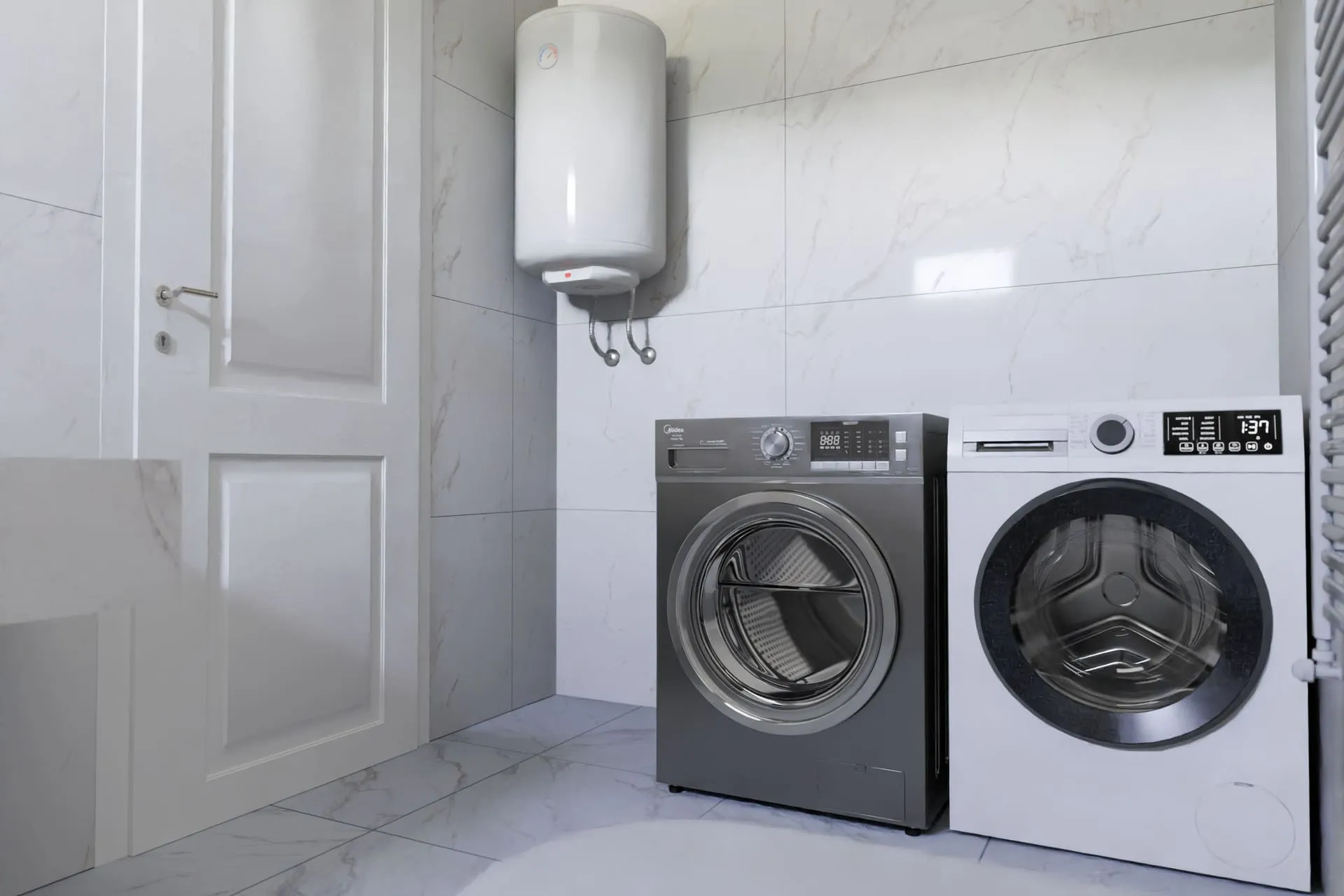
Stock photo, for illustration only. Last updated .
Hot water system replacement is one of the most common urgent plumbing jobs in Adelaide, usually because the old tank has given up on a cold morning. Sometimes the unit can be repaired; often it’s at the end of its life. SuperFox passes your enquiry to one independent local plumber, who calls you back within 24–48 hours to work out whether it’s a repair or a replacement, and quotes either way.
If you’ve got no hot water right now, our guide to no hot water covers the safe checks to make first.
What are the signs your hot water system needs attention?
Most hot water systems give some warning before they fail completely:
- Water running lukewarm, or running out faster than it used to
- Rusty or discoloured hot water
- Rumbling, popping or banging noises from the tank
- Water pooling around the base of the unit
- Constant flow from the relief valve, not just the occasional drip
- Pilot light going out repeatedly on a gas unit
- The system is well into its second decade
A drip from the relief valve can be normal. Our guide to a leaking hot water relief valve explains when it isn’t. Water from the tank itself usually means corrosion, and that tank needs replacing.
What does the plumber do?
The plumber starts by diagnosing the fault, then either repairs the unit or quotes a replacement.
Repairs may include replacing thermostats, heating elements, relief and expansion valves, gas thermocouples or controls, and anodes. The plumber checks that the unit is worth repairing given its age and condition.
Replacement usually involves:
- Confirming which types of water heater are allowed at your property and which suit your household size.
- Isolating water, power and gas, then draining and disconnecting the old unit.
- Installing the new unit with new valves as required, connecting water, and having the electrical or gas side connected by an appropriately licensed person.
- Checking temperature control so bathroom outlets deliver safe water.
- Testing, commissioning and removing the old unit from your property.
- Lodging the certificate of compliance.
Which types of hot water system are there?
| Type | How it works | Good to know |
|---|---|---|
| Gas storage | Heats and stores water in a tank | Needs mains gas or LPG and a licensed gas fitter |
| Instantaneous gas (continuous flow) | Heats water only as you use it | Never runs out; needs adequate gas supply and flue clearances |
| Electric storage | Element heats water in a tank | Allowed only in some SA homes; see below |
| Heat pump | Draws heat from the air to heat water | Lower running costs; see heat pump hot water |
| Solar | Roof collectors heat water, with gas or electric boost | Needs suitable roof space and orientation |
For a side-by-side look at running costs and suitability, see heat pump vs gas hot water.
SA hot water rules: what should you know?
South Australia has had rules for household water heater installations for well over a decade. In summary:
- Homes connected to mains gas generally need a low-emission replacement: a gas unit with an energy rating of 5 stars or more (lower in some enclosed locations), or a solar or heat pump system.
- Homes without mains gas can also install an electric storage unit up to a set hot water delivery capacity, or an electric instantaneous unit within set limits.
- The old unit generally has to be removed from the property, including most old in-roof tanks.
- Mains pressure storage units need new temperature and pressure relief and expansion control valves when installed.
- Bathroom outlets must deliver no hotter than 50 °C for personal hygiene, while stored hot water needs to be kept at 60 °C or more to control bacteria such as Legionella. A tempering valve or a water heater designed for this is commonly used to manage the difference.
The detail depends on your home, the unit and where it goes, so the plumber will confirm what’s allowed. These rules are set by the Office of the Technical Regulator, and plumbers must lodge a certificate of compliance for water heater installations.
Adelaide hot water specifics
Hard water. Water hardness varies around Adelaide, and where it’s higher, scale builds up on elements and valves and can shorten the life of a unit. The plumber may suggest a suitable anode or maintenance.
Old in-roof tanks. Some older homes still have low-pressure tanks in the roof space. Replacing these usually means a new external or ground-level unit and removing the old tank.
Hills homes. Properties on rainwater tanks may need a unit suited to the water quality and pump pressure. Homes without mains gas often run on bottled LPG or electric options.
What affects the price of hot water system replacement?
The plumber quotes once they’ve seen the setup. The main factors are:
| Factor | Why it matters |
|---|---|
| System type and size | Heat pumps and solar cost more up front than basic units |
| Changing type | Switching from electric to gas or heat pump can mean new gas, power or pipework |
| Location and access | Roof-space and tight installs take longer |
| Compliance parts | New valves, tempering valves and flue work |
| Removal | Draining and disposing of the old unit |
| Incentives | Some units may qualify for government or retailer incentives |
Our guide to hot water system replacement cost goes into more detail. Ask about the manufacturer’s warranty on the new unit and what it requires.
What to ask the plumber
- Can this unit be repaired, and is it worth it?
- Which types am I allowed to install here?
- Will you check outlet temperatures and fit a tempering valve if needed?
- Who does the gas or electrical connection?
- Will you lodge a certificate of compliance?
Gas work must be done by a licensed gas fitter. See gas fitting for more.
Getting it sorted
Send one enquiry through the contact form or call 08 6800 6079, and one local plumber will call you back within 24–48 hours to quote. See all plumbing services on our Adelaide plumber page.