Quick answer
An air conditioner size calculator gives a starting point, but the right size depends on more than floor area. Ceiling height, insulation, window size and direction, shading and how many people use the room all change the capacity you need. For an accurate answer, have a licensed installer assess the room before you buy.
An air conditioner size calculator is the first thing many people try when choosing a split system. It’s a useful starting point, but a calculator only knows what you type in. Two rooms with the same floor area can need very different capacities, depending on insulation, windows, ceiling height and which way they face.
This guide explains what really decides the size you need, why getting it wrong costs money, how to read the Zoned Energy Rating Label, and why a site assessment by a licensed installer beats any online tool. It’s written with Adelaide’s hot, dry summers and cool winters in mind.
What does an air conditioner size calculator actually measure?
Most calculators ask for floor area, ceiling height, and sometimes a few extra details such as insulation or room type. They then suggest a cooling capacity in kilowatts (kW).
That’s helpful for a rough idea, but energy.gov.au is clear that sizing is more complex than that and recommends getting professional advice. For a rough guide, it points to the Australian Institute of Refrigeration, Air Conditioning and Heating’s (AIRAH) FairAir website.
What factors decide the right size?
Floor area is only one input. The table shows what an installer looks at and why each factor matters.
| Factor | Why it matters |
|---|---|
| Floor area and ceiling height | Together they set the volume of air to cool or heat |
| Insulation | An insulated ceiling and walls hold cool air in and keep summer heat out |
| Window size and direction | Large west-facing windows let in strong afternoon sun |
| Shading | Eaves, verandahs, trees and external blinds cut heat gain |
| Open-plan layout | Open kitchens, stairwells and hallways add volume |
| Number of people and appliances | People, ovens and computers all add heat |
| Air leaks | Gaps around doors and windows let cooled air escape |
| Climate | Adelaide’s 40 °C+ heatwave days and cold Hills winters change the load |
| How the room is used | Bedrooms used at night differ from a sunny living area used all afternoon |
Energy.gov.au gives a simple example of how much these factors matter: an uninsulated room with a large west-facing window needs more cooling capacity than a well-insulated room with smaller north-facing windows.
What size split system do I need for a bedroom or living area?
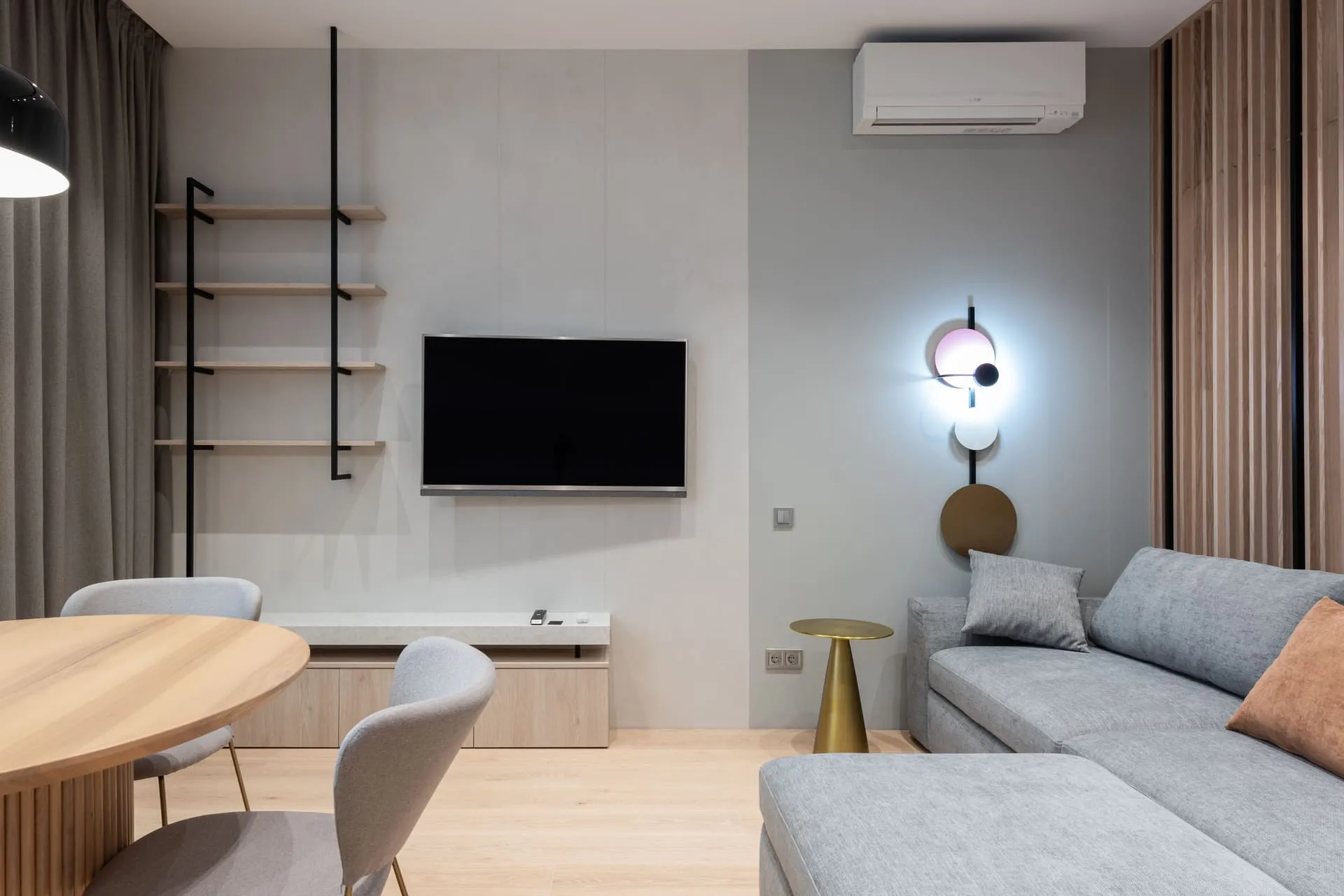
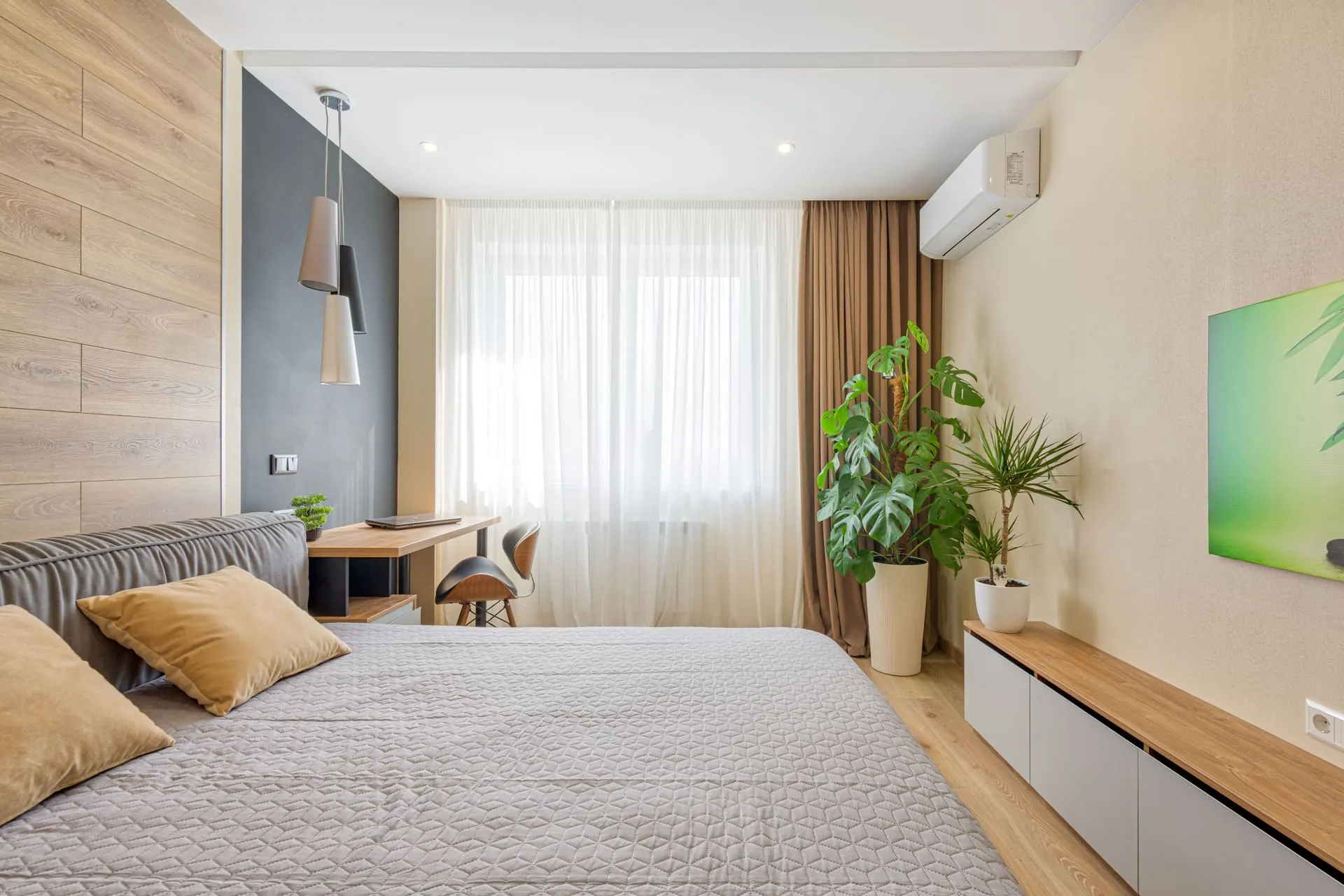
There isn’t one right answer, which is why this guide doesn’t give a fixed number per square metre. A small, well-insulated bedroom with a south-facing window may need a modest system. A large open-plan living area with west-facing glass and a raked ceiling may need far more capacity than its floor area suggests.
Use a calculator to get a rough range, then ask the installer to check it against the actual room. If you’re getting a quote, the installer should explain how they arrived at the size they recommend.
What happens if the air conditioner is the wrong size?
Both mistakes cost you, in different ways.
Undersized: the system runs flat out on hot days and may still struggle to cool the room. On a 40 °C Adelaide afternoon, that can mean a room that never quite gets comfortable and a unit working at its limit for hours.
Oversized: you pay more upfront for capacity you don’t need. An oversized unit can also cycle on and off frequently, which wastes energy and may not remove humidity well, leaving the room feeling clammy.
How do I read the Zoned Energy Rating Label?
Once you know the size, efficiency is the next thing to compare. Energy.gov.au explains that room air conditioners must carry a Zoned Energy Rating Label, which shows efficiency for three climate zones: hot, average and cold.
When comparing models:
- look at the zone that best matches where you live
- compare models of similar capacity, not different sizes
- check both the cooling and heating ratings if you’ll use it year-round
- remember that more stars means better efficiency, but only if the size is right
Reverse-cycle systems heat as well as cool, which suits Adelaide’s mild-to-cold winters, especially in the Hills.
Split system or ducted: which suits my home?
Split systems cool one room or zone each. They’re a good fit when you only need to cool a few rooms, or when you’d like to add cooling in stages. Multi-head systems connect several indoor units to one outdoor unit.
Ducted systems cool or heat the whole home from a central unit, with outlets in each room and zones you can switch on or off. They need suitable roof space and a larger upfront investment.
Our guide to ducted vs split system compares the two in detail, and the ducted air conditioning page explains what’s involved in a ducted installation.
Where should the indoor and outdoor units go?
Placement affects performance as much as size. Energy.gov.au suggests talking to a licensed technician about the best position for both units, including good airflow inside and shelter from the afternoon sun for the outdoor unit.
Common placement considerations in Adelaide include:
- keeping the outdoor unit out of harsh western sun where possible
- leaving clear space around the outdoor unit for airflow
- avoiding spots where noise will bother neighbours or bedrooms
- for coastal suburbs, considering salt air exposure on the outdoor unit
- making sure the indoor unit can spread air across the whole room
How can I reduce the size I need?
The less heat that gets into a room, the smaller the system it needs and the cheaper it is to run. Energy.gov.au notes that good insulation, air tightness and shading around your home can improve the energy efficiency of your air-conditioner.
Practical steps that can make a real difference in Adelaide homes include:
- topping up or replacing old ceiling insulation
- adding external shading such as awnings, shade sails or roller shutters on west-facing windows
- fitting heavy curtains or blinds, and closing them on hot afternoons
- sealing gaps around doors, windows and downlights
- using ceiling fans alongside the air-con, which can let you set the thermostat a little higher
- closing doors to rooms you aren’t cooling
If you’re planning these improvements, mention them to the installer. They may affect the capacity they recommend. Our guide to ceiling fan installation cost covers adding fans.
What should I ask the installer?
Before you approve a quote, ask:
- How did you work out the capacity for this room?
- Which zone on the energy rating label applies to my home?
- Where will the indoor and outdoor units go, and how long is the pipe run?
- Does my switchboard have capacity for the new circuit?
- What’s included: brackets, pipe covers, drain line, electrical connection and removal of an old unit?
Can I install a split system myself?
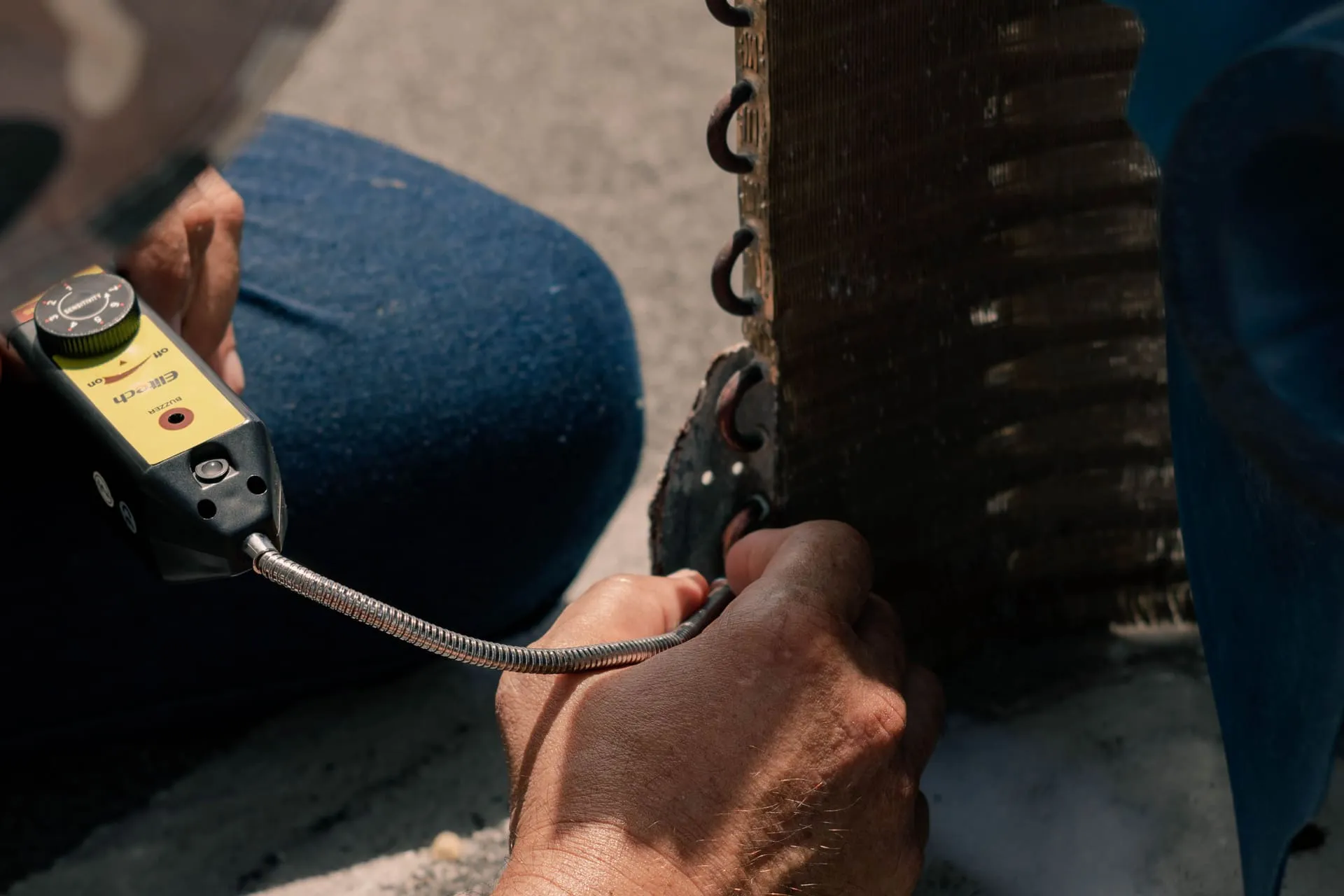
No. Installing a split system involves handling refrigerant and connecting to the electrical supply. The Australian Refrigeration Council says a refrigerant handling licence must be held by anyone who carries out work on refrigeration and air-conditioning equipment that carries a risk of refrigerant being released, including installing, commissioning and servicing.
The electrical connection must also be done by a licensed electrician. Some technicians hold both licences. Energy.gov.au notes you can verify an installer’s ARC licence through the online licence check portal.
When should you call a licensed installer?
Call before you buy, not after. An installer who visits the room can confirm the capacity, check where the units can go, see whether your switchboard has room for a new circuit, and quote the full job.
Call a technician too if your existing system:
- can’t keep up on hot days even though it used to
- has iced-up pipes or leaks water indoors
- makes new noises or smells
Our guide to an air conditioner leaking or not cooling covers those problems. For new installations, see our split system installation page and the Adelaide air conditioning hub.
Getting it sorted
If you’ve run an air conditioner size calculator and want a proper assessment, send one enquiry through our contact form or call 08 6800 6079. We pass your enquiry to one local air-conditioning installer, who calls back within 24–48 hours to discuss the room and quote before any work starts.
Sources
Stock photo, for illustration only. This guide is general information for Adelaide homeowners, not professional advice. In South Australia, electrical, plumbing and gas work must be carried out by an appropriately licensed tradesperson, and rules change, so check current requirements with the relevant authority.