Quick answer
In the ducted vs split system choice, split systems cool or heat individual rooms and are usually cheaper to install and run per room, while ducted systems serve the whole home from one hidden unit with ceiling vents and zoning. Your layout, roof space and how you use each room decide which suits.
The ducted vs split system question comes up in almost every Adelaide home that wants reliable cooling for summer and heating for winter. Both are usually reverse cycle air conditioners, and both use an outdoor unit connected to an indoor unit by refrigerant pipes. The difference is how the cool or warm air reaches you: one wall unit per room, or one hidden unit pushing air through ducts to ceiling vents.
This guide compares the two on comfort, running costs, installation and ducted air conditioning cost drivers, then covers evaporative vs reverse cycle for homes that already have an evaporative cooler. For the services, see ducted air conditioning and split system installation.
What is the difference between ducted and split system air conditioning?
energy.gov.au describes a split system as two units, an exterior compressor and an interior unit, connected by pipes that carry refrigerant. The interior unit can be non-ducted, such as a wall-mounted unit, or ducted in the roof cavity and connected to various points of the home through ductwork.
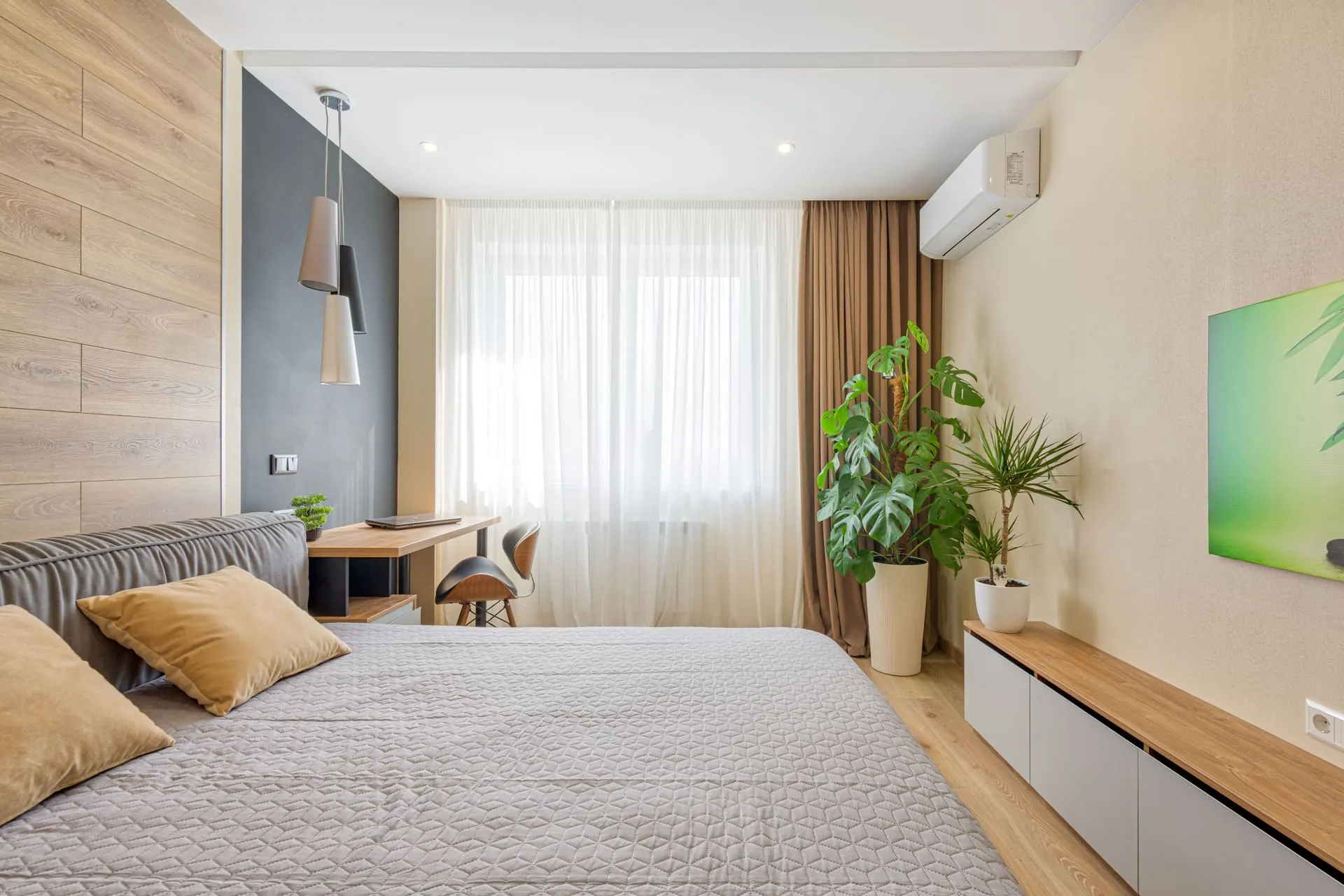
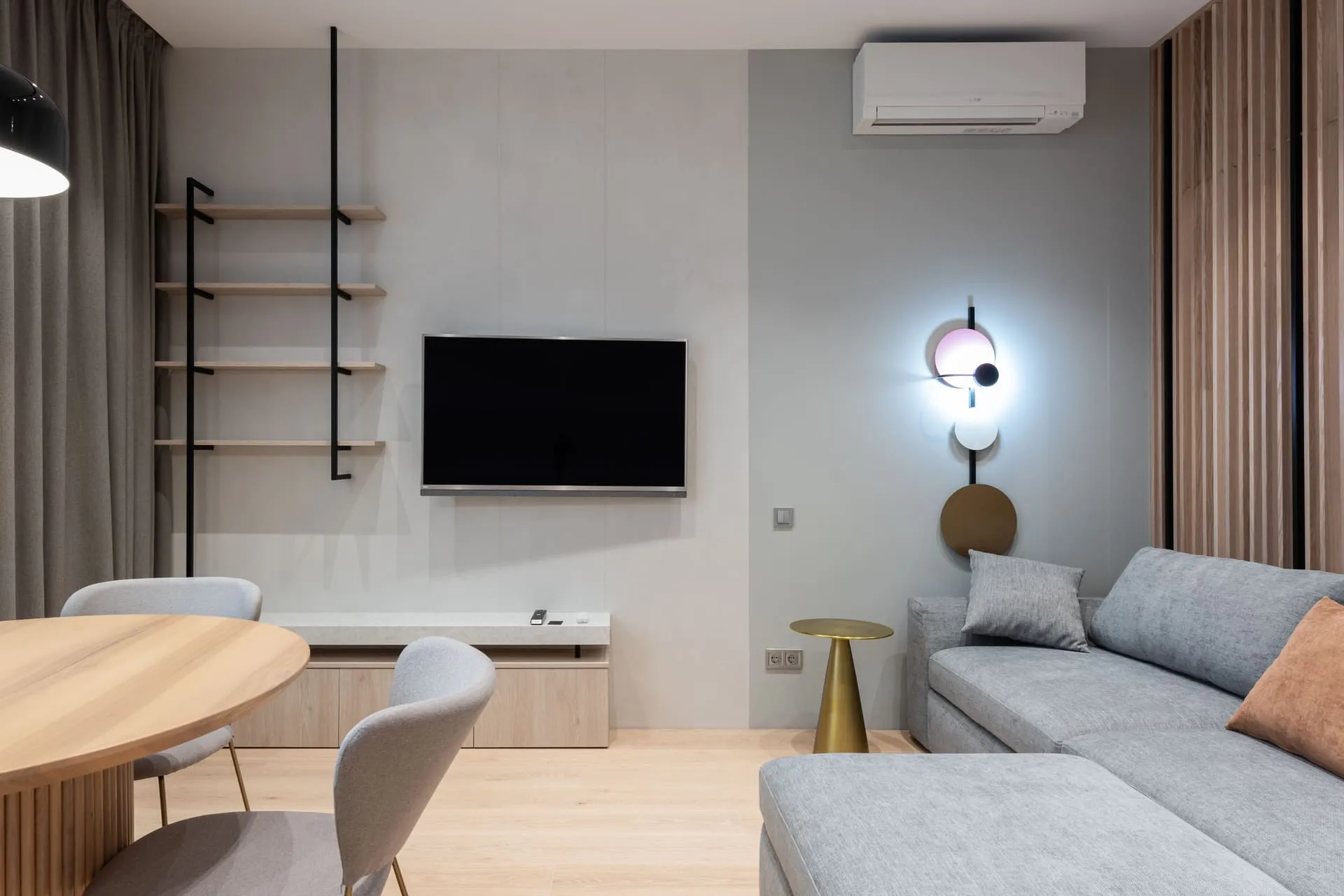
- Split system (wall-mounted). One indoor unit on the wall of a room, one outdoor unit. Each unit has its own remote.
- Multi-split. Two or more indoor units connected to one outdoor unit.
- Ducted. A larger indoor unit in the roof space, with ducts to vents in each room and a central controller. Zoning lets you choose which areas get air.
Ducted vs split system: side-by-side
| Factor | Split system | Ducted system |
|---|---|---|
| Coverage | One room or open area per indoor unit | Most or all of the home |
| Upfront cost | Lower per room | Higher overall, a larger project |
| Running efficiency | energy.gov.au says wall units are more efficient | Larger fan and duct losses make it more expensive to run |
| Look | Visible wall unit in each room | Discreet ceiling vents and a wall controller |
| Control | Each room controlled separately | Central controller, zoning by area |
| Roof space needed | No | Yes, enough height and access for the unit and ducts |
| Install time | Often within a day per unit | Several days for a full home |
| Noise in rooms | Unit fan in the room | Air noise at vents; main unit in the roof |
| Breakdown impact | One room affected | Whole system affected |
energy.gov.au also notes ducted systems are more cost-efficient than gas heating, which is worth knowing if you’re replacing ducted gas heating.
When does a split system make more sense?
Split systems tend to suit:
- Homes where you mainly cool or heat the living area and main bedroom.
- Smaller homes, units and townhouses.
- Older homes with low-pitched roofs, little roof space, or solid brick construction that makes duct work hard.
- Extensions, home offices and granny flats.
- Households that want to add rooms over time rather than all at once.
A few well-placed split systems can cover a typical home, and each room runs only when you need it. Our guide to split system installation cost explains what drives the price of each unit, and what size air conditioner helps with sizing.
When does ducted make more sense?
Ducted tends to suit:
- Larger homes with several bedrooms and living areas used at once.
- New builds and major renovations, where ducts can be planned before ceilings are finished.
- Homes with enough roof space for the unit and ducts.
- People who want one controller and no wall units in each room.
- Households that want even temperatures through the house during long heatwaves.
Zoning is important. Being able to switch off bedrooms during the day and living areas at night stops you conditioning empty rooms, which helps with running costs.
What affects ducted air conditioning cost?
Ducted air conditioning cost is driven by the size of the job and the house. A technician needs to inspect the roof space and plan the layout before quoting.
| Cost driver | Why it matters |
|---|---|
| System capacity | Larger homes need larger units. |
| Number of outlets | More rooms means more ducts, vents and labour. |
| Zoning | Each zone needs motorised dampers and control. |
| Roof space | Low or cramped roof spaces slow the installation. |
| Two storeys | Getting ducts to the ground floor can need bulkheads or ducts through cupboards. |
| Controller | Basic wall controllers versus app-controlled or room sensor systems. |
| Electrical work | Ducted units need a dedicated circuit, which may mean switchboard work. |
| Removing old systems | Taking out old ducted gas heating or an evaporative cooler adds time. |
| Return air | The return air grille needs a suitable central location. |
What to ask the installer:
- How many zones, and which rooms are in each?
- Where will the return air grille and the controller go?
- What size and type of duct will be used, and how is it insulated?
- Does my switchboard need work for the new circuit?
- Where will the outdoor unit go, and how loud will it be?
- What does the manufacturer’s warranty cover, and what servicing does it require?
Evaporative vs reverse cycle: which suits Adelaide?
Many Adelaide homes already have an evaporative cooler on the roof. energy.gov.au says evaporative coolers work well in low-humidity inland regions. They cool by blowing air over water-soaked pads, need windows or doors open to work, and don’t heat.
| Factor | Evaporative | Reverse cycle |
|---|---|---|
| How it cools | Evaporating water | Moving heat with refrigerant |
| Heating | No | Yes |
| Humid days | Less effective | Works regardless of humidity |
| Windows | Need to be open | Kept closed |
| Water use | Uses water to run | No water used for cooling |
| Efficiency | Low electricity use | energy.gov.au says reverse cycle units range from 300% to 600% efficient |
Adelaide’s dry heat suits evaporative cooling on many days, but humid summer spells and the need for winter heating lead many households to switch to reverse cycle ducted or split systems. If you are replacing an evaporative cooler, the existing ducts may or may not be reusable, so ask the technician to inspect them.
What about running costs over time?
Running costs depend on how you use the system as much as which type you choose. A few things make a real difference in either case:
- Only condition the rooms you’re in. With splits, that means switching off units in empty rooms. With ducted, it means using zones.
- Set sensible temperatures. Every extra degree of cooling on a hot day makes the system work harder.
- Keep heat out. energy.gov.au suggests gap sealing, thick curtains, external shading and insulation to reduce heating and cooling loads. In Adelaide, shading west-facing windows helps a lot on summer afternoons.
- Service the system. Clean filters and a checked outdoor unit help either type run as designed. See air conditioning servicing.
- Use solar if you have it. Running cooling during the day while panels are producing can offset part of the cost.
A ducted system that is zoned and used carefully can be reasonable to run, while split systems left on in empty rooms can cost more than expected.
Who can install ducted or split systems?
Both types need licensed trades. The Australian Refrigeration Council says handling fluorocarbon refrigerant without a Refrigerant Handling Licence is an offence, and this includes installing and servicing air conditioning equipment. The electrical connection must be done by a licensed electrician, who should issue a certificate of compliance. Don’t attempt either installation yourself.
When should you call a licensed tradie?
Call an air conditioning technician when:
- You are deciding between ducted and split systems and want a site inspection.
- Your evaporative cooler or ducted gas heater is near the end of its life.
- You’re building or renovating and want ducts planned early.
- Existing units are struggling on 40-degree days.
- A unit is leaking water or not cooling. See aircon leaking or not cooling.
For more help, see our Adelaide air conditioning page.
Getting it sorted
Send one enquiry through our contact page or call 08 6800 6079. We pass it to one local air conditioning technician, who calls you back within 24–48 hours to inspect your home, discuss ducted vs split options and quote before any work starts.
Sources
Stock photo, for illustration only. This guide is general information for Adelaide homeowners, not professional advice. In South Australia, electrical, plumbing and gas work must be carried out by an appropriately licensed tradesperson, and rules change, so check current requirements with the relevant authority.