Quick answer
A toilet keeps running when water leaks past a worn flush seal into the bowl, the inlet valve doesn't shut off, the float is set too high, or the flush button sticks. SA Water says a running toilet can waste up to 260 litres a day. Do the food colouring dye test, then call a plumber to fix it.
When a toilet keeps running, it is quietly sending clean water down the drain every hour of the day. It might be a constant hiss, a trickle you can see in the bowl, or a cistern that refills by itself every few minutes. It is one of the most common plumbing jobs in any home, and the fix is usually a simple part rather than a new toilet.
This guide explains what makes a toilet run, the dye test SA Water recommends, the safe checks you can do yourself, and when it is time to call a plumber. For the service, see our taps and toilets page.
Why does a toilet keep running?
A toilet runs because water is either leaking out of the cistern into the bowl, or the cistern isn’t shutting off when it is full. There are only a handful of parts involved.
| Symptom | Likely cause | What it means |
|---|---|---|
| Thin trickle running down the back of the bowl | Worn flush valve seal at the base of the cistern | Water leaks past the seal, so the cistern keeps topping up. |
| Cistern refills by itself every few minutes (“ghost flushing”) | Slow leak through the flush valve seal | Same cause, slower leak. |
| Constant hiss and water spilling into the overflow tube | Float set too high, or inlet valve not closing | The cistern overfills and drains straight into the bowl. |
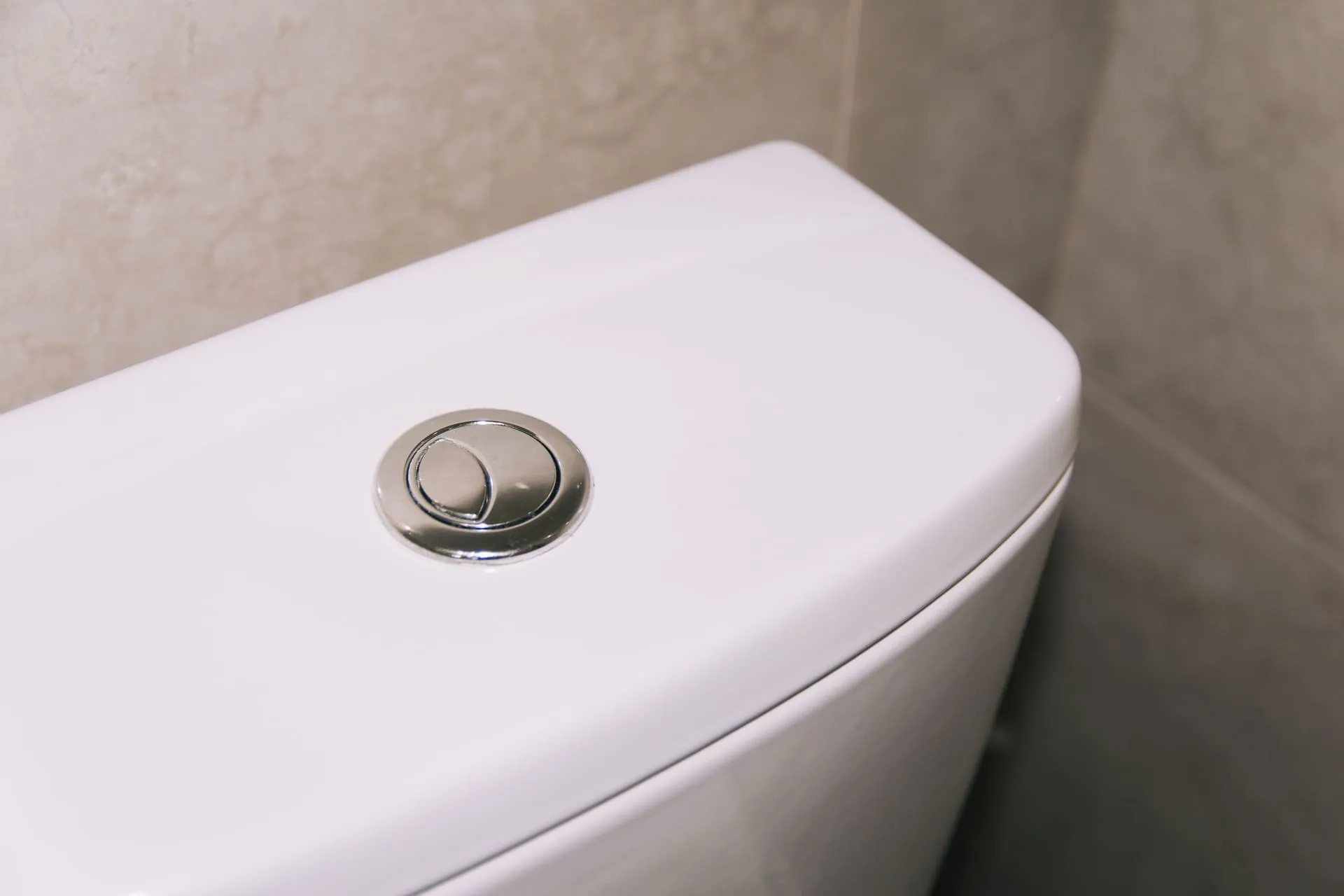
| Water keeps running until you jiggle the button | Sticking flush button or linkage | The flush valve stays partly open. |
| Cistern takes a long time to fill, then hisses | Worn or blocked inlet valve | Common where water is hard and scale builds up. |
| Water on the floor around the base | Leaking toilet seal, connector or cracked pan | This is a leaking toilet, not just a running one, and needs prompt attention. |
In parts of Adelaide with hard water, scale build-up on inlet valves and seals is a common reason parts wear out and stop sealing properly.
How do you check if your toilet is leaking?
SA Water recommends a simple dye test:
- Lift the cistern lid and add a few drops of food colouring to the water in the cistern.
- Don’t flush. Wait 15 to 30 minutes.
- Look in the bowl. If the colour shows up in the bowl without flushing, there’s a leak.
Flush once afterwards to clear the colour. You can also use your water meter. SA Water suggests taking a reading, using no water inside or outside for an hour or two, then reading it again. If the reading has changed, there’s likely a leak somewhere. If the toilet is the only suspect, turn off its isolation tap and repeat the test to confirm.
How much water does a running toilet waste?
According to SA Water, a running toilet can waste up to 260 litres of water a day. Because that water passes through your meter, it lands on your bill. A slow trickle that’s easy to ignore can still add up over a quarter, which is why it’s worth fixing early.
What can you safely check yourself?
You can look and test, but leave part replacement to a plumber. Safe checks include:
- Look inside the cistern. Lift the lid carefully, as it is heavy and breakable. See whether water is spilling into the overflow tube.
- Press and release the button. Check whether it springs back fully or sticks.
- Check the isolation tap. Find the small tap on the wall behind or beside the toilet and make sure it turns. You’ll need it if the toilet starts leaking onto the floor.
- Do the dye test. It tells you whether the seal is the problem.
- Check the base. Look for water around the pan or at the wall connection.
Avoid bending floats, forcing stuck valves or using harsh chemicals in the cistern. These can damage plastic parts and turn a small fix into a bigger one.
What will a plumber do to fix a running toilet?
The plumber will find the failed part and replace it, then test the toilet through several flushes. Common repairs include:
- Replacing the flush valve seal or the whole flush valve.
- Replacing the inlet valve, especially where it is scaled up.
- Adjusting or replacing the float and setting the correct water level.
- Replacing a sticking button or push-rod assembly.
- Replacing the flexible connector hose if it is old or bulging.
- Resealing the pan to the floor or wall if there is a leak at the base.
Many cisterns use parts specific to their brand, so it helps to tell the plumber the toilet brand (often printed inside the cistern or on the lid) when you send your enquiry. Concealed cisterns, where the tank is hidden in the wall, are accessed through the button plate and usually take longer to work on.
Should you repair or replace the toilet?
Repair is usually the sensible choice. Replacing the whole suite is worth considering when:
- The pan or cistern is cracked.
- Parts for an older model are no longer available.
- The toilet keeps failing in different ways.
- You are renovating the bathroom anyway.
- You want a more water-efficient dual-flush toilet.
Ask the plumber what parts are needed, whether they are available for your model, and how that compares with fitting a new suite. If you are renovating, our Adelaide plumber page covers the wider range of bathroom plumbing work.
What questions should you ask about the repair?
A short conversation saves surprises. Ask:
- Which part has failed, and why?
- Are the parts genuine for this brand, or universal?
- Is the isolation tap working, and should it be replaced at the same time?
- Is there scale or high water pressure that will wear the new parts out quickly?
- Is the flexible hose due for replacement?
How can you stop a toilet running again?
Toilet parts wear out eventually, but a few habits help them last:
- Use the button gently. Hard or repeated pressing wears the button assembly and linkage.
- Skip in-cistern tablets. Some tablets and strong cleaners can harden or break down rubber seals over time. Clean the bowl instead.
- Check after a plumbing job. If water was turned off for other work, grit can be pushed into the inlet valve when supply returns. Watch the toilet for a day or two.
- Do the dye test now and then. Doing it every few months catches a slow leak before it shows on the bill.
- Ask about pressure. If several taps and toilets in the house wear out quickly, high water pressure or hard water may be the cause.
For landlords, a quick check of every toilet between tenancies avoids disputes about water use later.
Is a running toilet linked to other problems?
Sometimes. A toilet that runs and also gurgles, drains slowly or bubbles when other fixtures are used may have a blocked or partly blocked drain behind it. That is a drainage problem rather than a cistern problem. Our guide to the best way to unblock a drain covers the early signs. Banging pipes when the cistern fills can point to high water pressure, and our low water pressure guide explains pressure problems at the other end of the scale.
When should you call a licensed tradie?
Call a plumber when:
- The dye test shows colour in the bowl.
- The cistern keeps refilling on its own or hisses constantly.
- The flush button sticks repeatedly.
- There is water on the floor around the toilet.
- Your water bill has jumped and the toilet is the likely cause.
- The isolation tap won’t turn or is leaking.
If water is leaking onto the floor, turn off the isolation tap behind the toilet. If that tap won’t turn, turn off the water at the meter and treat it as urgent.
Getting it sorted
Send one enquiry through our contact page or call 08 6800 6079. We pass it to one local plumber, who calls you back within 24–48 hours to talk about the toilet and quote before any work starts.
Stock photo, for illustration only. This guide is general information for Adelaide homeowners, not professional advice. In South Australia, electrical, plumbing and gas work must be carried out by an appropriately licensed tradesperson, and rules change, so check current requirements with the relevant authority.