Quick answer
EV charger installation cost depends on the charger you choose, the distance from your switchboard to the parking spot, whether the board has capacity and safety switches, single-phase or three-phase supply, and SA Power Networks approval for chargers above 20A single-phase. A licensed electrician assesses the site and quotes before installing anything.
EV charger installation cost for an Adelaide home varies more than most people expect, because the charger itself is only part of the job. The rest is cabling, protection at the switchboard, the state of your electrical supply and, for larger chargers, an approval from SA Power Networks. Two neighbours buying the same charger can end up with very different quotes.
This guide explains the cost drivers, the SA Power Networks rules, what a quote should include and the questions worth asking. For the service itself, see our EV charger installation page.
What affects the cost to install an EV charger at home?
The price is set by your house as much as by the charger. These are the main drivers an electrician looks at.
| Cost driver | Why it matters |
|---|---|
| Charger type | A simple wallbox, a smart charger with app control, or a solar-aware charger all differ in parts and set-up time. |
| Cable run | The further the parking spot is from the switchboard, the more cable and labour. Runs through ceilings, under slabs or across a driveway add time. |
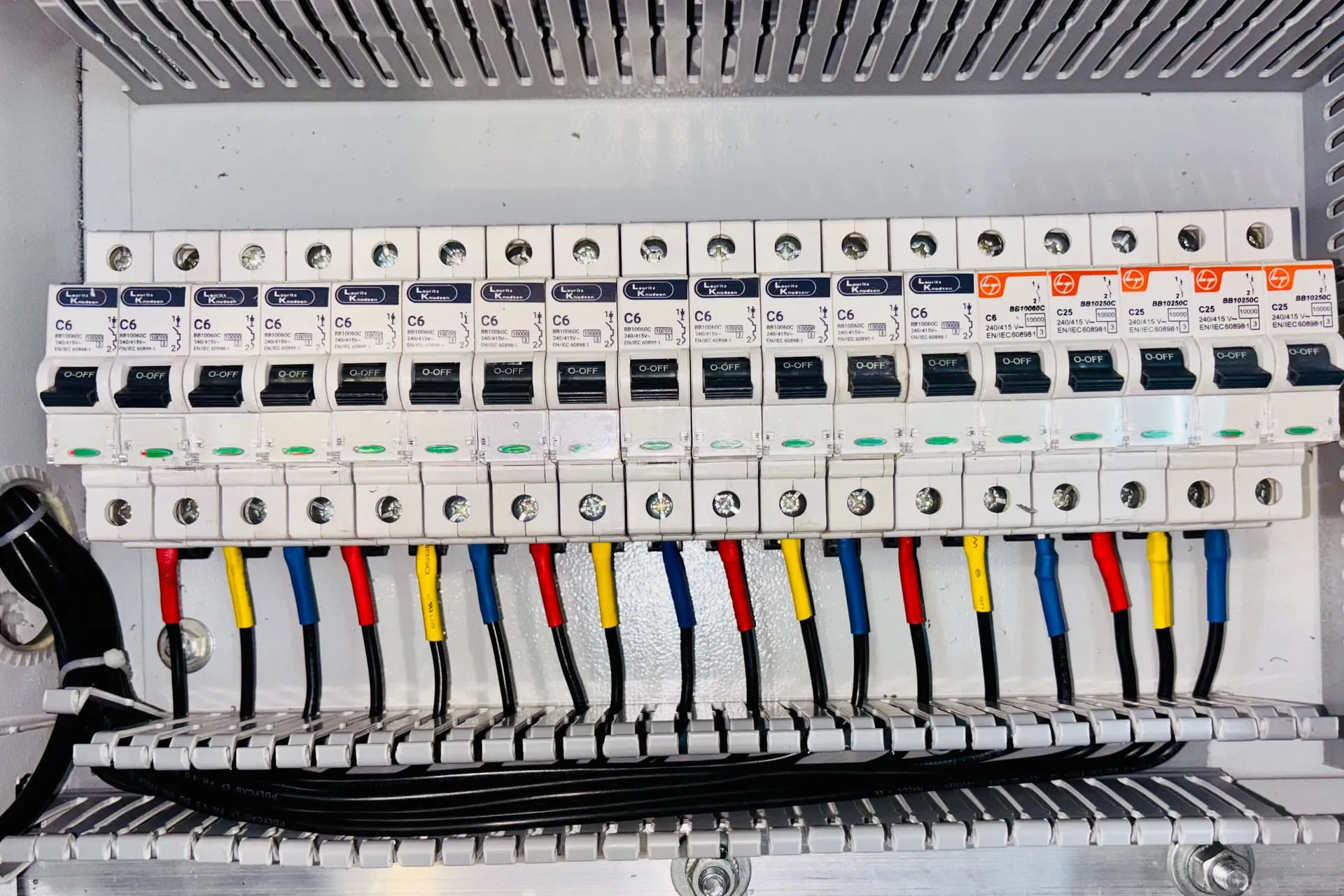
| Switchboard capacity | The charger needs its own circuit and protection. A full or old board may need work or an upgrade first. |
| Supply type | Single-phase or three-phase changes which chargers suit and what protection is needed. |
| Network approval | Larger chargers need SA Power Networks approval before they are installed. |
| Mounting | Fixing to brick, a carport post or a pedestal in an open driveway all differ. |
| Load management | Some sites need load management so the charger and air conditioner don’t overload the supply together. |
| Solar and batteries | Linking the charger to solar output adds configuration time. |
The most common surprise is the switchboard. An older Adelaide home with ceramic fuses or no spare space may need a board upgrade before any charger can go in. Our guide to switchboard upgrade cost covers how that work is priced.
Do you need SA Power Networks approval for a home EV charger?
It depends on the size of the charger. SA Power Networks sets out the rules for homes with a supply of 100A or less:
- Level 1 chargers under 20A. EV chargers that plug into a regular 10A or 15A power point can be used without SA Power Networks approval.
- Level 2 chargers. Chargers rated above 20A single-phase, or above 25A per phase on three-phase, need approval from SA Power Networks through its online portal before they are installed.
SA Power Networks also recommends choosing a smart charger with internet connectivity that uses the Open Charge Point Protocol (OCPP). In practice, your electrician lodges the application, waits for approval, installs the charger and then closes out the job with the network. Ask whether this paperwork is included in the quote.
If your site needs more capacity for a charger, the connection itself may need to be modified, which is a separate process with the network. The electrician can tell you whether your current connection is suitable.
Single-phase or three-phase: does it change the cost?
Most Adelaide homes have single-phase power, and a single-phase charger is enough for most people’s daily driving. Three-phase allows faster charging with some chargers and cars, but only if your car can accept it. If you already have three-phase, a three-phase charger may make sense. If you don’t, upgrading the supply just for a charger is rarely needed and adds network work to the job.
If you are unsure, read single-phase vs three-phase power before you talk to the electrician.
What is usually included in an EV charger quote?
A good quote spells out each part of the job so you can see what you are paying for.
- The charger model and its rated current (in amps).
- The cable size and route from the switchboard to the charger.
- A dedicated circuit with a circuit breaker and safety switch.
- Any switchboard work needed to fit the new circuit.
- SA Power Networks application and close-out, where required.
- Mounting hardware, conduit and weatherproofing for outdoor locations.
- Set-up and testing of the charger, including any app or solar link.
- The electronic certificate of compliance, which SA electricians must provide for most work.
Exclusions to look for include trenching, concrete cutting, patching and painting, and switchboard upgrades listed as “if required”. Ask how those would be priced if they turn up.
How do you compare an EV charger quote properly?
Compare what the quote actually includes, not just the bottom line. A cheaper-looking quote that excludes the switchboard work or network paperwork may end up costing more.
Questions to ask the electrician:
- Is my switchboard suitable, or will it need work first?
- Does this charger need SA Power Networks approval, and are you handling it?
- What size cable will you use, and will it suit a faster charger later?
- Can the charger be set to use solar or off-peak power?
- How will the charger and other big loads, such as air conditioning, share the supply?
- Will the charger have its own safety switch?
You can check the electrician’s licence on the Consumer and Business Services public register.
What happens on installation day?
Once any approval is in place, a straightforward home charger install usually follows the same steps. Knowing them helps you prepare and spot what a quote has left out.
- Site check. The electrician confirms the charger position, cable route and switchboard space. Make sure the car can reach the charger with the cable on the side your charge port is on.
- Power off. The main switch is turned off while the new circuit is connected at the board, so plan for a period without power. Fridges, freezers, gate motors and medical equipment are worth thinking about ahead of time.
- Cable run. Cable goes through the roof space, along walls in conduit, or underground, depending on the layout.
- Mounting and connection. The charger is fixed in place and connected to its dedicated circuit and protection.
- Testing and set-up. The electrician tests the circuit, sets the charger’s current limit, and links any app or solar settings.
- Paperwork. The network approval is closed out where needed, and you receive your certificate of compliance.
In summer, think about where the charger and cable will sit in direct sun. A carport or shaded wall is kinder to the equipment than a west-facing driveway in an Adelaide heatwave.
What about public EV charging stations cost?
People searching “EV charging stations cost” are often comparing home charging with public chargers. Public fast chargers set their own fees and are useful on longer trips. Home charging lets you top up overnight and, if you have solar, during the day. This article covers the cost of installing a charger at home. Commercial charging stations for businesses or strata buildings involve larger supply and network work, and are quoted as separate projects.
When should you call a licensed tradie?
An EV charger must be installed by a licensed electrician. Charging draws a heavy load for hours at a time, so the circuit, cable and protection have to be right. Call an electrician when:
- You have bought, or are about to buy, an EV and want faster home charging.
- You are using a portable charger and the plug or power point feels warm.
- Your switchboard has ceramic fuses or no safety switches.
- You want the charger linked to solar or a home battery.
- You’re building or renovating and want cabling run now for a charger later.
Running conduit or cable during a renovation is often the simplest time to prepare for a charger. For more electrical services, see our Adelaide electrician page and switchboard upgrades.
Getting it sorted
Send one enquiry through our contact page or call 08 6800 6079. We pass it to one local electrician, who calls you back within 24–48 hours to discuss your car, your switchboard and your parking spot, then quotes before any work starts.
Sources
Stock photo, for illustration only. This guide is general information for Adelaide homeowners, not professional advice. In South Australia, electrical, plumbing and gas work must be carried out by an appropriately licensed tradesperson, and rules change, so check current requirements with the relevant authority.