Quick answer
Single phase vs three phase comes down to how much power your home can draw. Most Adelaide homes run on single phase, which suits normal household loads. Three phase power spreads supply across three active conductors, suiting homes with large loads such as ducted air-con, a fast EV charger, big solar systems or workshop machinery.
Single phase vs three phase is one of those electrical questions that only comes up when you’re planning something big: ducted air-conditioning, an EV charger, a bigger solar system or a shed full of machinery. Most Adelaide homes have single phase power, and for everyday living that’s plenty. Three phase power gives you more capacity and better balance for heavy loads, but it comes with an upgrade process and costs that aren’t worth it for every home.
This guide explains the difference in plain terms, when three phase makes sense, how an upgrade works with SA Power Networks, and what to ask a licensed electrician.
What’s the difference between single phase and three phase power?
Single phase power uses one active conductor and a neutral. Three phase power uses three active conductors and a neutral, with each phase delivering power slightly out of step with the others.
In practical terms, three phase can deliver more total power and spread large loads more evenly. Big motors, such as those in commercial air-con compressors and workshop machinery, also run more smoothly on three phase.
| Single phase | Three phase | |
|---|---|---|
| Active conductors | One | Three |
| Typical use | Most houses and units | Larger homes, high-demand homes, farms, workshops |
| Capacity | Suits normal household loads | Higher total capacity, split across three phases |
| Large motors | Fine for household-sized appliances | Better for big compressors and machinery |
| EV charging | Slower home charging options | Allows faster charging if the car supports it |
| Switchboard | Simpler, smaller | Larger, with three phase main switch and protection |
How do I know which supply my home has?
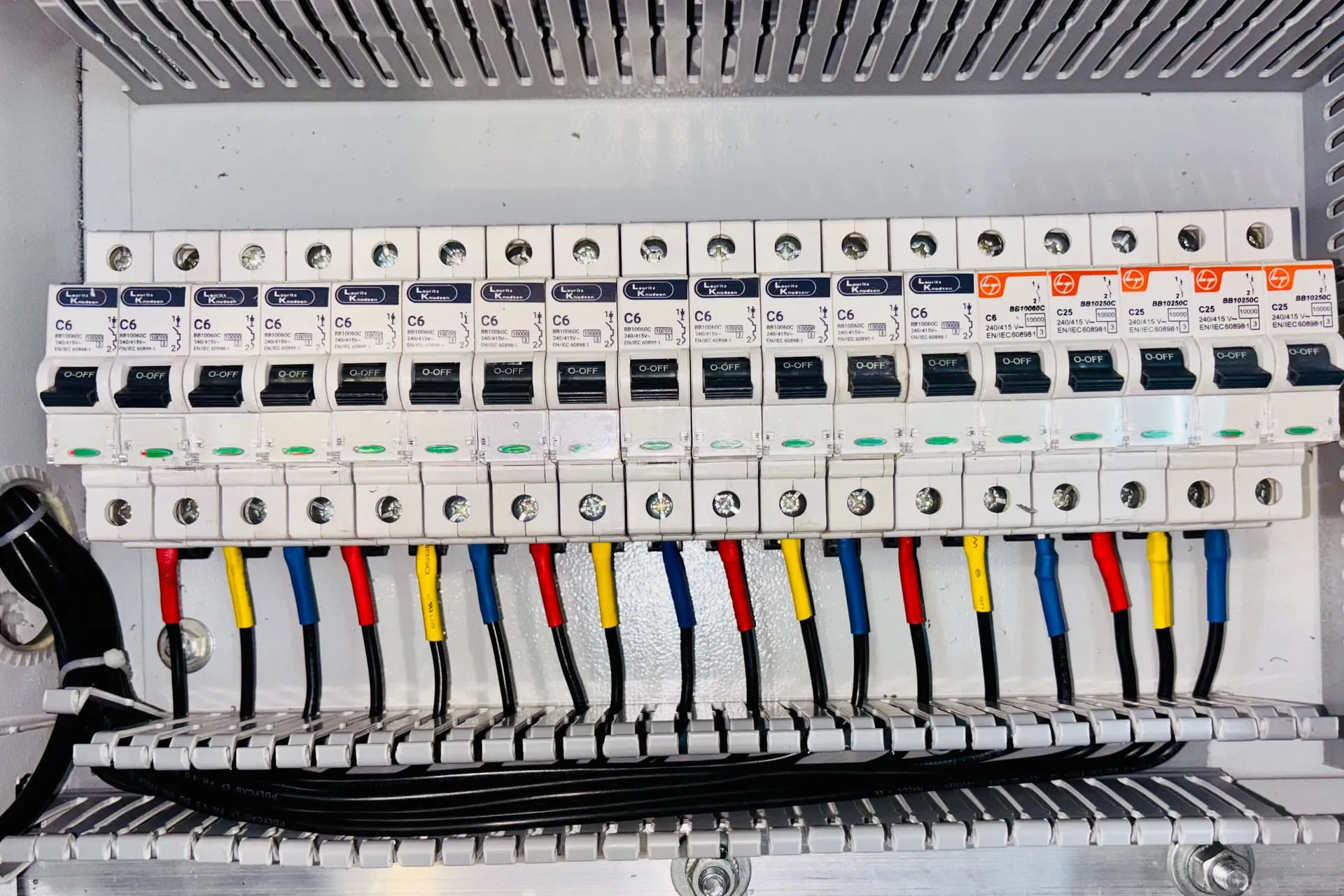
The quickest clue is your main switch. On a three phase board it’s usually three poles wide, or three single switches linked together. Your meter box may also show three incoming conductors.
If you’d rather not guess, an electrician can confirm it quickly. Don’t remove switchboard covers to look; that’s a job for a licensed electrician.
When does a home need three phase power?
Most homes don’t. Three phase becomes worth considering when your planned loads add up to more than a single phase supply comfortably handles. Common triggers include:
- Large ducted reverse-cycle air-conditioning. Some bigger ducted systems are available in three phase models, which can suit large homes that run the air-con hard through Adelaide’s 40 °C days.
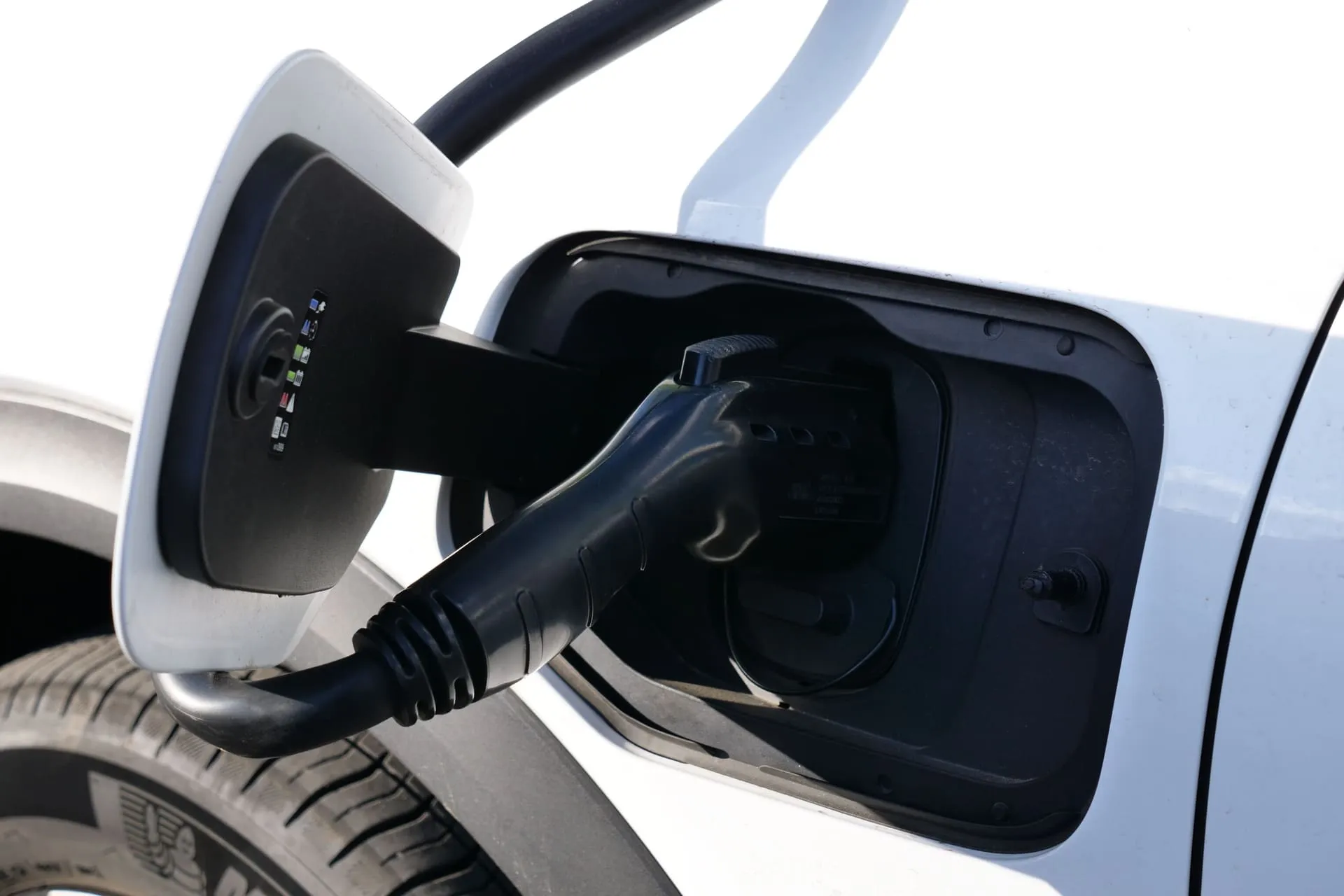
- Fast EV charging. A three phase charger lets compatible cars charge faster at home. Our EV charger installation cost guide covers the options.
- Larger solar and battery systems. Export and inverter limits differ between single and three phase connections, so check what SA Power Networks allows for your setup.
- Workshops and sheds. Welders, compressors and woodworking machines are often three phase.
- Several heavy loads at once. Pool heating, induction cooking, a heat pump hot water system and a ducted system running together.
If you’re only adding one big appliance, a load assessment may show your single phase supply is fine. An electrician should work that out before you commit to an upgrade.
How does a three phase power installation work?
A three phase upgrade has two parts: the network side and your side. SA Power Networks handles changes to its connection, and a licensed electrician handles your switchboard and wiring.
SA Power Networks recommends that an electrician or electrical consultant completes the application for you, because of the technical detail involved. Its process is broadly:
- The application is lodged through the SA Power Networks portal.
- SA Power Networks makes a technical assessment and may contact you or inspect the property.
- It invites your electrician to book an appointment, and SA Power Networks performs the alteration to its connection.
The application typically needs your NMI (found on your electricity bill), details of fixed appliances and any off-peak loads, and the maximum demand of the installation. SA Power Networks also notes that if you need both a supply increase and a change from single to three phase, you only need to apply to increase your supply.
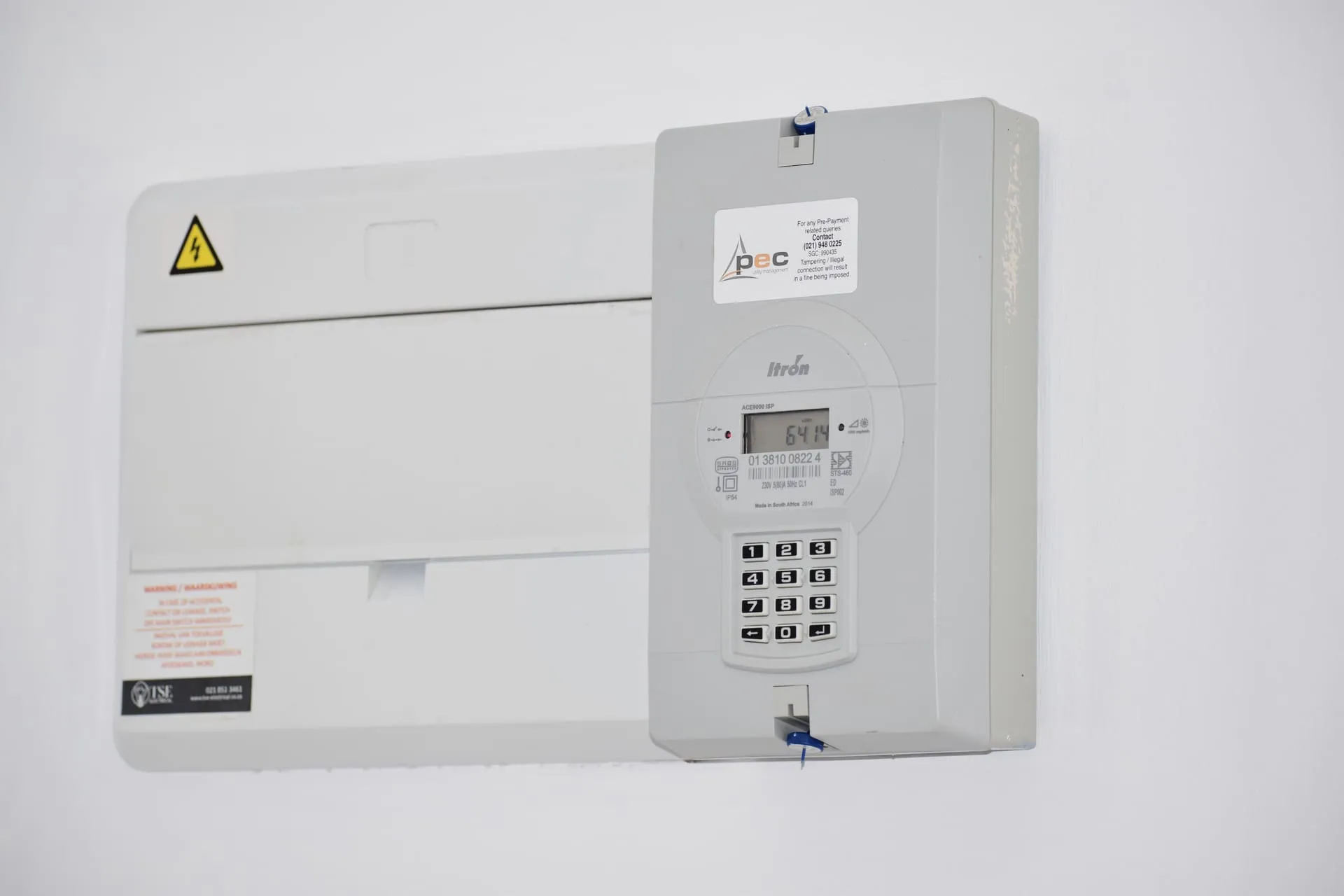
On your side, the electrician will usually need to upgrade the switchboard and main switch, possibly the consumer mains (the cable from the meter to the board), and rearrange circuits across the three phases. Your retailer or metering provider may also need to change the meter. When the electrical work is finished, the electrician must give you an electronic certificate of compliance within 30 days.
What affects the cost of a three phase upgrade?
There’s no standard price, because every property is different. The main cost drivers are:
- whether the street network can supply three phase without extra work
- the length and route of the consumer mains, and whether the service is overhead or underground
- the condition and size of your existing switchboard
- whether a full switchboard upgrade is needed to fit three phase protection
- metering changes arranged through your retailer
- network fees charged by SA Power Networks, which it publishes in its connections pricing manual
Ask the electrician to separate their own labour and materials from network and metering charges in the quote. That makes it much easier to see where the money goes.
Is three phase available everywhere?
No. Availability depends on the network that supplies your property. Some rural and semi-rural supplies, including parts of the Adelaide Hills, run on systems that can’t provide three phase. Some built-up areas also have limits.
SA Power Networks assesses each application, so the only way to know for sure is to apply. If three phase isn’t available, an electrician can look at alternatives such as managing loads, staggering when heavy appliances run, or choosing single phase models.
Are there alternatives to upgrading to three phase?
Often, yes. Before committing to an upgrade, ask the electrician whether one of these would solve the problem for less disruption:
- A load assessment. Measuring what your home actually draws, rather than adding up nameplate ratings, sometimes shows there’s more headroom on single phase than you thought.
- Load management. Some EV chargers and smart controllers can reduce their output automatically when the house is busy, so the car charges more slowly at peak times rather than overloading the supply.
- Staggering heavy loads. Running the pool pump, dishwasher and hot water at different times spreads demand across the day.
- Single phase models. Many air-conditioners, heat pumps and EV chargers come in single phase versions that suit most homes.
- A switchboard upgrade on its own. If the real issue is an old, crowded board, replacing it with modern protection may be enough.
The right answer depends on your plans for the next five to ten years. If you expect to add an EV, a bigger solar system and ducted air-con over time, doing one well-planned upgrade can be simpler than a series of small fixes. If you only need one new appliance, a single phase solution is often fine.
What should I ask the electrician?
Useful questions to ask before you approve a quote:
- Have you done a load assessment, and what did it show?
- Is three phase available at my address, and have you checked with SA Power Networks?
- Does my switchboard need replacing, and is that included in the quote?
- Which parts of the price are network or metering charges, and which are your labour and materials?
- How long might the SA Power Networks process take?
- Will I receive a certificate of compliance for the work?
When should you call a licensed electrician?
Talk to an electrician before buying any large appliance that might push your supply. They can do a load assessment, check your switchboard, and tell you whether single phase will cope.
Call sooner if you notice:
- lights dimming when the air-con or a big appliance starts
- circuit breakers tripping when several appliances run together
- a hot, buzzing or scorched switchboard
- an old switchboard with ceramic fuses and no safety switches
Never attempt switchboard or supply work yourself. In South Australia, electrical work must be done by a licensed electrical worker. You’ll find more on the Adelaide electrician hub, and our switchboard upgrade cost guide explains what’s involved in replacing an older board.
Getting it sorted
If you’re weighing up single phase vs three phase for a new EV charger, air-con or workshop, send one enquiry through our contact form or call 08 6800 6079. We pass it to one local electrician, who calls back within 24–48 hours to discuss your loads and quote before any work starts. For EV-specific work, see our EV charger installation page.
Sources
Stock photo, for illustration only. This guide is general information for Adelaide homeowners, not professional advice. In South Australia, electrical, plumbing and gas work must be carried out by an appropriately licensed tradesperson, and rules change, so check current requirements with the relevant authority.