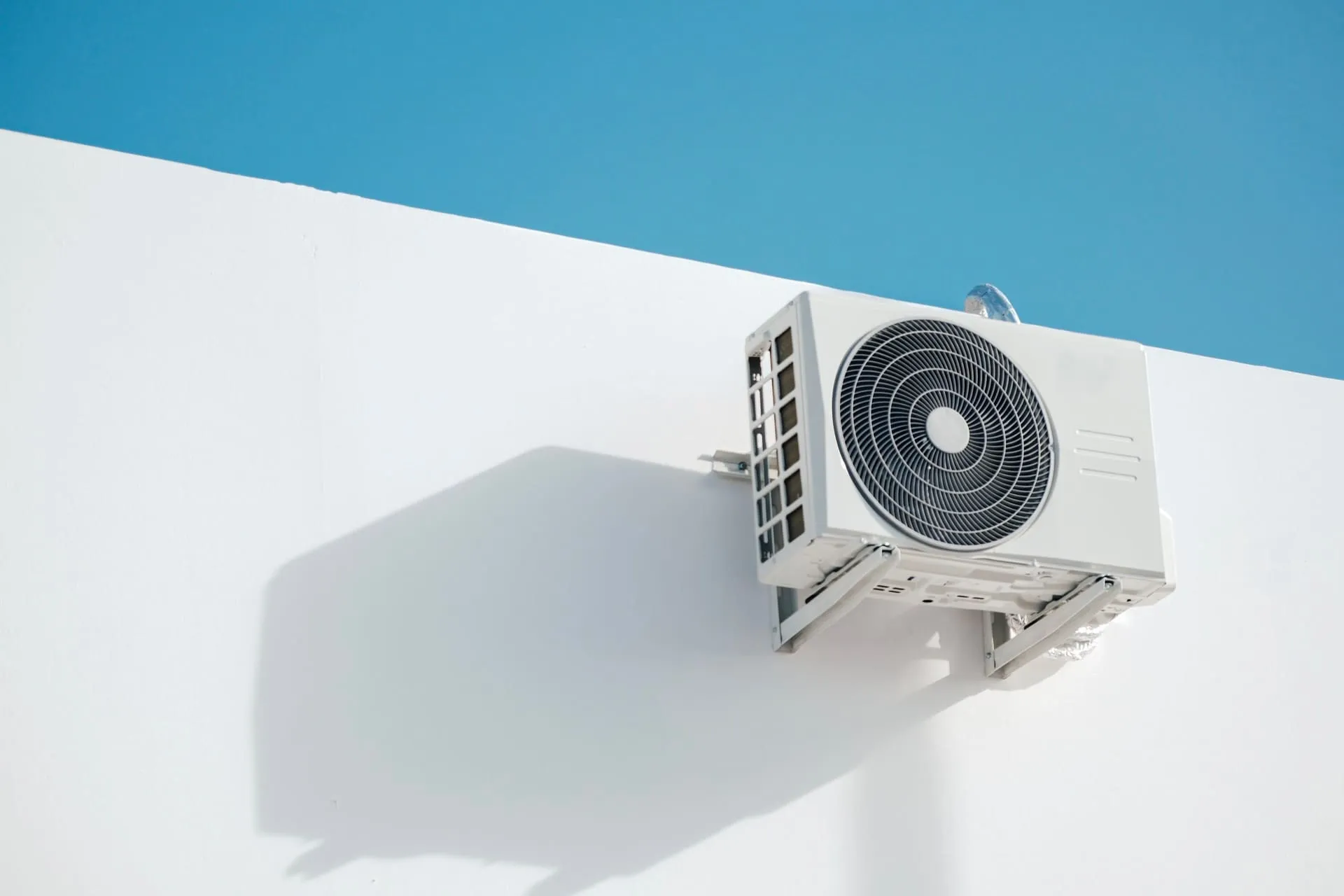
Stock photo, for illustration only. Last updated .
A heat pump hot water system is one of the most popular replacements for old electric tanks in Adelaide, and for good reason: it heats the same water with a fraction of the electricity. SuperFox passes your enquiry to one independent local plumber, who calls you back within 24–48 hours to check whether a heat pump suits your home and quote the installation.
What is a heat pump hot water system?
A heat pump hot water system is an electric water heater that draws heat from the outside air instead of relying on a heating element. A fan pulls air across a coil filled with refrigerant, the refrigerant absorbs the warmth, and a compressor lifts that heat to a temperature that can heat the water in the tank.
There are two main designs:
| Design | How it looks | Good to know |
|---|---|---|
| Integrated (all-in-one) | Compressor sits on top of the tank | Simpler install, one footprint |
| Split | Compressor unit sits separately from the tank | Quieter near the house, more flexible placement |
Because Adelaide’s climate is mild for much of the year, a heat pump works efficiently in most suburbs. Pair one with rooftop solar and a timer and it can run largely on your own daytime power.
Is a heat pump right for your home?
A heat pump often makes sense if:
- Your existing electric storage tank is ageing or has failed
- You have rooftop solar, or plan to
- You want to move away from gas
- There’s an outdoor spot with airflow, away from bedroom windows
- Your household uses a steady, predictable amount of hot water
It may be less suitable if there’s no reasonable outdoor location, if the unit would sit right next to a neighbour’s bedroom, or if your household regularly needs very large volumes of hot water in a short time. For a side-by-side look at the options, see heat pump vs gas hot water.
What does the plumber do?
A heat pump installation is regulated plumbing work, so the plumber handles it from assessment through to compliance:
- Assess the site. The plumber looks at your current system, household size, outdoor space, airflow, drainage for condensate and the relief valve, and your power supply.
- Recommend a size and model. Tank capacity depends on how many people live in the home and how you use hot water. Units rated for cooler climates may suit Hills homes.
- Remove the old system. Water and power are isolated, and the old unit is drained and taken away.
- Install the new unit. The heat pump is placed on a stable base and connected to water, with new valves as required. The electrical connection is made by a licensed electrician (some plumbers hold both licences).
- Set temperature control. Bathroom outlets must deliver water no hotter than 50 °C, so the plumber checks this and fits a tempering valve if the system needs one.
- Commission and certify. The plumber tests the system, sets a timer if you have solar, and lodges a certificate of compliance.
Adelaide specifics
Solar homes. South Australia has a high take-up of rooftop solar. Setting the heat pump to run in the middle of the day uses that generation rather than exporting it.
Hills mornings. Cold mornings in Stirling, Aldgate or Mount Barker slow a heat pump’s recovery. A model designed for cool climates, and a timer that runs it in the warmest part of the day, helps.
Hard water. Where water hardness is higher, scale can affect valves and the tank over time. Ask the plumber about maintenance to suit your water supply, and whether your model has requirements for rainwater.
Noise and neighbours. On smaller blocks and in townhouses, the unit placement deserves thought. The plumber will look for a spot that keeps the hum away from bedrooms.
Switching from gas. If you’re moving off gas entirely, the gas supply to the old water heater needs to be capped safely by a licensed gas fitter. See gas fitting.
What affects the price of a heat pump hot water system?
The plumber quotes once they’ve assessed the site. The main factors are:
| Factor | Why it matters |
|---|---|
| Tank size and model | Larger tanks and cool-climate models cost more |
| Integrated or split | Split systems involve more installation work |
| Existing system | Removing an in-roof tank or capping gas adds time |
| Location | Moving the unit means new pipework, drainage and power |
| Electrical work | A new circuit or switchboard work may be needed |
| Incentives | Certificates and schemes can reduce the up-front cost |
Our guide to hot water system replacement cost covers how these factors combine. Check the manufacturer’s warranty on the tank and the compressor, as they often differ.
SA rules and what to ask
South Australian water heater rules apply when you replace a hot water system, and a heat pump is one of the low-emission options allowed in most homes. The work must be done by a licensed plumber, with a licensed electrician for the electrical connection. You can check a licence on the Consumer and Business Services (CBS) public register.
Ask the plumber:
- What size tank do you recommend for my household?
- Is this model suited to my area’s winter temperatures?
- Where will it go, and how loud will it be?
- Which incentives apply, and are they already in the quote?
- Who does the electrical connection, and will I get certificates of compliance?
If you’re comparing a heat pump with other types, our hot water systems page covers gas, electric and solar.
Getting it sorted
Send one enquiry through the contact form or call 08 6800 6079, and one local plumber will call you back within 24–48 hours to assess your home and quote. See all plumbing services on our Adelaide plumber page.