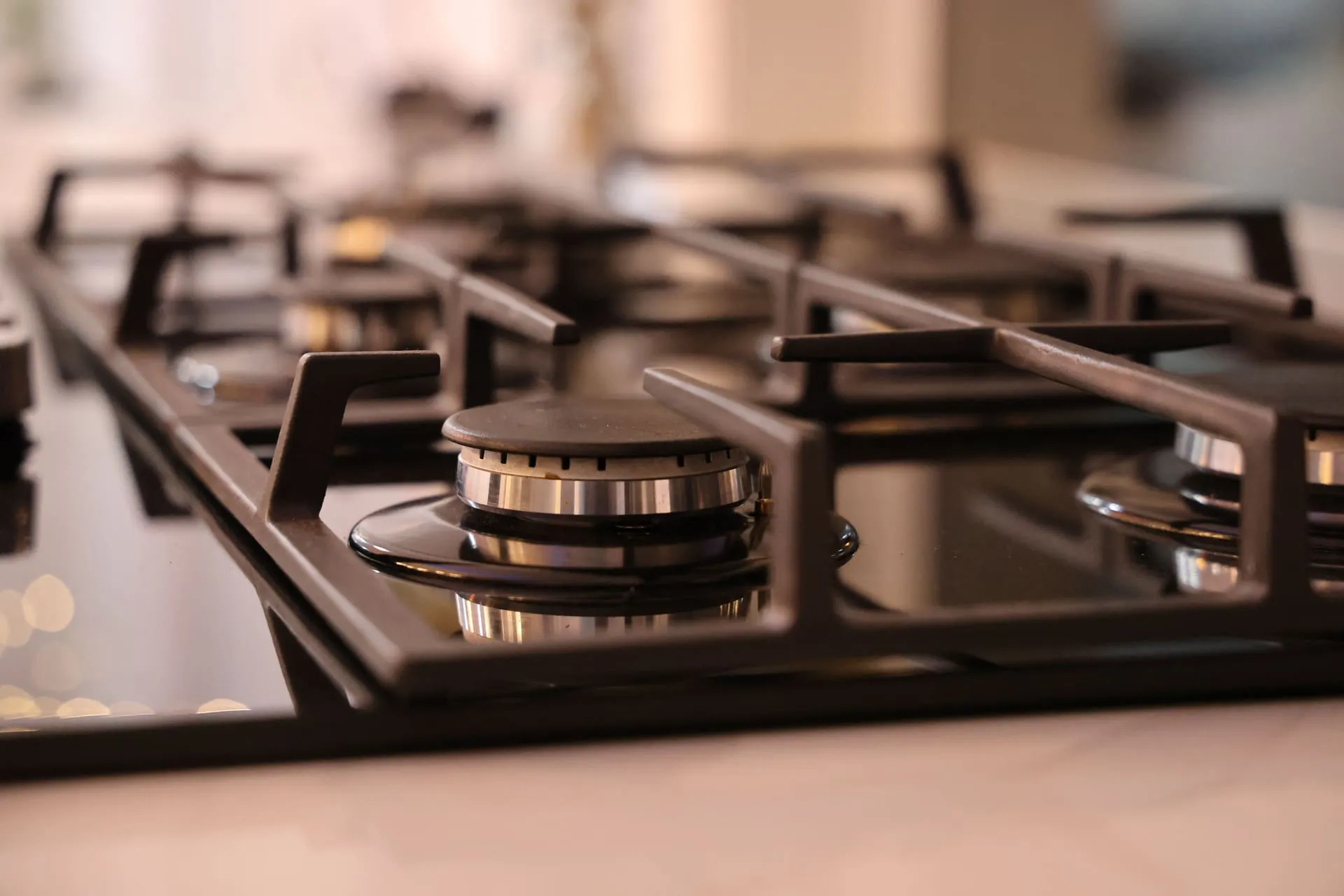
Stock photo, for illustration only. Last updated .
A gas fitter is the tradesperson you need for anything that connects to your gas supply, from a new cooktop to a heater service or a leak check. In South Australia this work must be done by someone licensed for gas fitting. SuperFox passes your enquiry to one independent local gas plumber, who calls you back within 24–48 hours to talk through the job and quote it.
If you can smell gas now, stop reading and call Australian Gas Networks on 1800 427 532.
What does a gas fitter do?
A gas fitter works on the gas side of your home, from the meter (or LPG bottles) through the pipework to each appliance. Common household jobs include:
| Job | What’s involved |
|---|---|
| Gas cooktop installation | Connecting a new or replacement cooktop or freestanding cooker, testing for leaks |
| Gas heater service | Cleaning, checking burners, flue and carbon monoxide spillage |
| Gas hot water | Installing gas storage or instantaneous units; see hot water systems |
| New gas lines | Running pipework for a new appliance, outdoor BBQ point or renovation |
| Leak testing and repair | Pressure testing pipework and fixing leaking joints or fittings |
| Appliance conversion | Converting approved appliances between LPG and natural gas |
| Disconnection and capping | Making the supply safe when an appliance is removed |
Many gas fitters are also plumbers, so they can handle the water connection on a hot water unit at the same visit.
What are the signs you need a gas fitter?
- A smell of gas near an appliance or the meter
- Yellow, orange or lazy flames instead of a crisp blue flame
- Soot or scorch marks around a heater or cooktop
- A pilot light that keeps going out
- Condensation or stuffiness in a room when a heater runs
- A gas bill that’s higher than usual with no change in use
- A renovation or new kitchen that needs gas moved or added
Our guide to signs of a gas leak explains what to look for and what to do.
What does the gas fitter do on a typical job?
For an installation, the gas fitter:
- Checks that the appliance is approved for use in Australia and suited to your gas type.
- Confirms the pipework is sized correctly and the supply pressure is adequate.
- Installs or modifies pipework, connects the appliance and checks ventilation and clearances.
- Tests for leaks and commissions the appliance.
- Lodges a certificate of compliance.
For a heater service, the gas fitter cleans and inspects the burner and flue, checks gas pressure and operation, and tests for carbon monoxide spillage. If an appliance is unsafe, they may disconnect it and explain why.
Adelaide specifics
Natural gas or LPG. Much of metropolitan Adelaide is connected to the natural gas network run by Australian Gas Networks. Many Hills and outer properties use LPG bottles or a tank instead. Appliances are set up for one gas type, so tell the gas fitter which you have.
Older heaters. Plenty of older Adelaide homes still have open-flued gas space heaters. These rely on the room’s ventilation and a working flue, so regular servicing matters for carbon monoxide safety.
Hot water rules. If you’re replacing a gas water heater, South Australian rules set minimum energy ratings for gas units in many situations. The gas fitter or plumber will confirm what’s allowed. See hot water systems.
Going all-electric. Some households are replacing gas appliances with induction cooktops and heat pump hot water. The gas fitter can disconnect and cap the old lines safely.
Planning a kitchen renovation with gas?
If you’re renovating, bring the gas fitter in early. Moving a cooktop to an island bench, adding a wall oven or upgrading to a larger cooktop can mean new pipework under the floor or through the slab, and it’s far easier before cabinetry goes in. Kitchen Fox covers the kitchen renovation side.
What affects the price of gas fitting?
The gas fitter quotes before starting. The main factors are:
| Factor | Why it matters |
|---|---|
| Type of job | A cooktop swap is simpler than running a new line |
| Pipe run | Length and route of new pipework, and whether it goes under floors or slabs |
| Pipe sizing | Adding appliances can mean upsizing existing pipes |
| Appliance | Some appliances need extra parts, flues or ventilation |
| Access | Tight cabinetry, roof spaces and subfloors take longer |
| Compliance | Testing and certificates are part of every installation |
Ask the gas fitter how they charge, including any call-out fee. Our guide to plumber and electrician call-out fees explains more.
SA gas fitting rules and what to ask
Gas fitting in South Australia is regulated. The person doing the work must hold a gas fitter’s licence or registration, and businesses contracting for gas work need a contractor’s licence. Licences are administered by Consumer and Business Services (CBS), and the Office of the Technical Regulator (OTR) oversees gas safety.
Gas fitters must issue an electronic certificate of compliance for work on gas pipes, installing or replacing appliances such as hot water units and cooktops, and converting appliances between gas types. Repairs or maintenance on an existing appliance don’t need one.
Ask the gas fitter:
- What is your gas fitting licence number?
- Will you lodge a certificate of compliance for this job?
- Is my appliance suited to my gas type and supply?
- Does the existing pipework need upsizing?
Never attempt DIY gas work. Even connecting a cooktop needs a licensed gas fitter.
Getting it sorted
Send one enquiry through the contact form or call 08 6800 6079, and one local gas fitter will call you back within 24–48 hours to quote. See all plumbing services on our Adelaide plumber page.