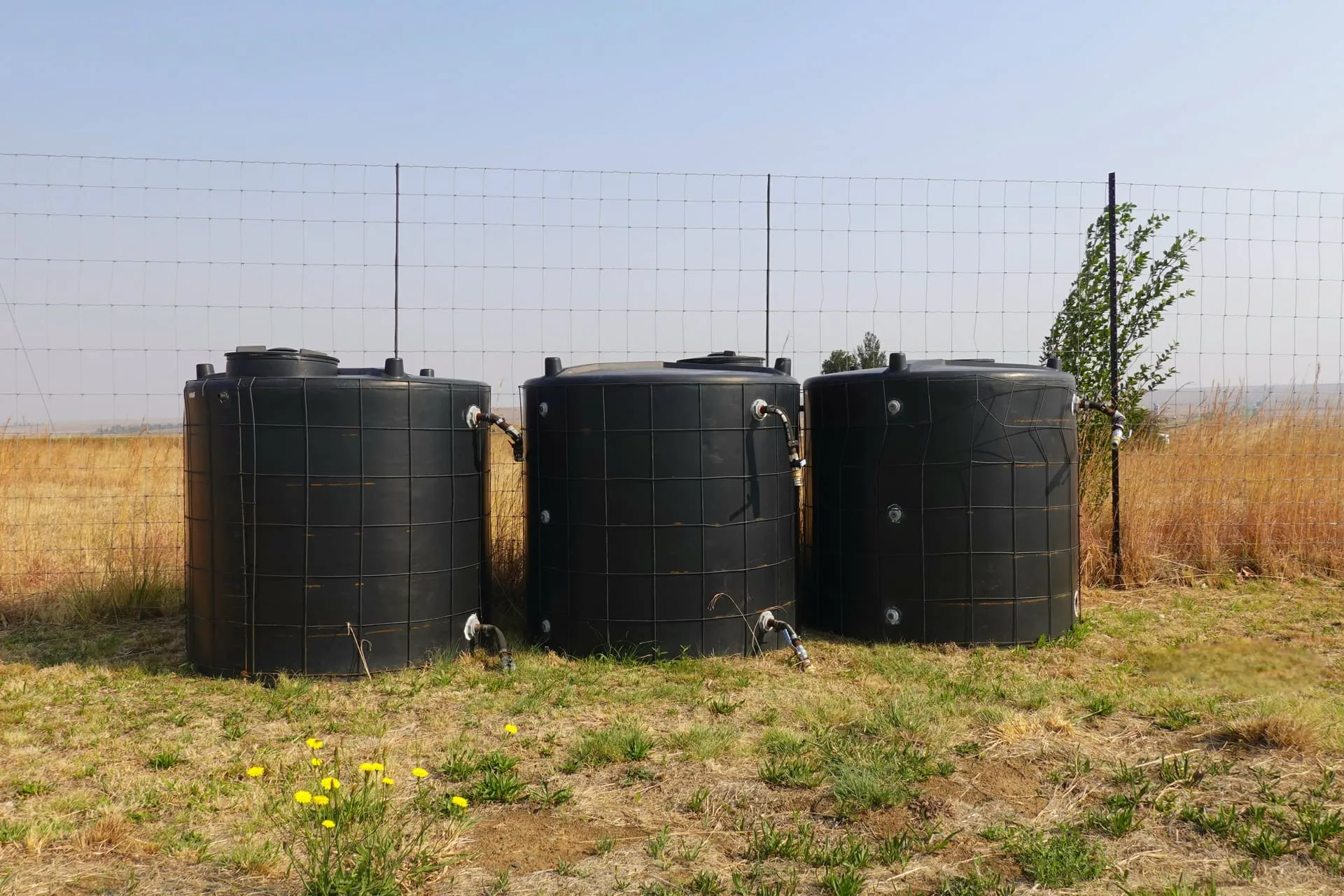
Stock photo, for illustration only. Last updated .
A rainwater tank pump is easy to forget about until it stops. For many Adelaide Hills and rural properties, it’s the only thing standing between the tank and running water in the house. SuperFox passes your enquiry to one independent local plumber who works with tank and pump systems, and they call you back within 24–48 hours to diagnose the problem and quote. If you’ve got no water at all, choose Urgent on the form.
What are the signs your tank pump has a problem?
- No water, or only a trickle, from the taps
- The pump runs continuously and won’t switch off
- The pump turns on and off by itself when nothing is running
- Pressure surges or drops while you’re in the shower
- The pump is noisy, humming without pumping, or tripping the power
- Water leaking around the pump or fittings
- Cloudy, discoloured or smelly water
A pump that cycles on and off when no water is being used is one of the most common calls. It often points to a leak elsewhere in the house, such as a running toilet or dripping tap, rather than a faulty pump. See water leak detection.
What does the plumber typically do?
Diagnose. The plumber checks the tank level and outlet, the suction line, foot or check valves, the pump itself, the pressure control or switch, and the household plumbing for leaks.
Repair. Common repairs include re-priming the pump, replacing a pressure switch or controller, fixing suction or air leaks, replacing check valves or seals, and cleaning blocked filters.
Replace. If the pump is worn out or undersized, the plumber recommends and installs a replacement suited to your household’s flow and pressure needs.
Set up tank-to-house plumbing. For new or changed systems, the plumber connects the tank to toilets, laundry, garden or the whole house, and installs mains switching and backflow prevention where the home also has mains water.
| Common problem | Usual cause |
|---|---|
| Pump cycling on and off | Leak in the house, faulty check valve or pressure switch |
| Pump runs but no water | Lost prime, low tank, blocked suction or air leak |
| Pump won’t start | Power supply, controller fault, or seized motor |
| Pressure fluctuates | Worn pressure control, undersized pump, or air in the line |
| Pump tripping safety switch | Electrical fault; needs an electrician |
Adelaide Hills and rural specifics
Tank-only properties. Many homes around Stirling, Aldgate and Woodside rely on rainwater for everything. A spare pump or backup plan is worth considering, as a failure means no water.
Summer and bushfire season. Tanks run low over long dry summers, which can let pumps run dry. Some properties also keep tank water and a pump for firefighting, so a reliable setup matters in the warmer months.
Septic and CWMS. Many Hills properties also use a septic tank or community wastewater management system (CWMS). The plumber who visits for the pump can often look at drainage issues too.
Mains-connected suburbs. In metropolitan Adelaide, tanks are often plumbed to toilets and laundries with automatic switching to mains water. When the tank empties or the pump fails, the switching device should change over to mains. If it doesn’t, the device may need servicing.
Water quality. Leaves, ash and debris on the roof end up in the tank. First-flush diverters, leaf guards and filters help protect both the water and the pump. If your roof or gutters need attention, Ridge Fox covers roofing.
Rainwater tank installation
If you’re adding a new tank, the plumber can advise on sizing, placement on a stable base, overflow to stormwater, the pump, and whether you’ll connect it to toilets and laundry or the whole house. Connecting a tank to a home that also has mains water needs backflow prevention so tank water can’t flow back into the mains supply. Check with your council whether there are any requirements for your property.
Simple checks before you call
Check the tank level first, as a near-empty tank is a common cause of no water. Make sure the pump has power and hasn’t tripped a safety switch (reset it once only). If the pump is running with no water coming out, switch it off to stop it running dry. Then note any dripping taps or running cisterns for the plumber.
What affects the price of a tank pump repair or replacement?
The plumber quotes before starting. The main factors are:
| Factor | Why it matters |
|---|---|
| Repair or replace | Parts versus a complete new pump |
| Pump size and type | Flow, pressure, submersible versus external, and noise level |
| Distance and access | Remote tanks and steep blocks take longer |
| Plumbing changes | New switching devices, backflow prevention or pipework |
| Electrical work | A new power point or circuit needs an electrician |
| Filters and extras | Filtration, pump covers and first-flush diverters |
SA rules and what to ask
Plumbing work in South Australia must be done by a licensed plumber, and any new electrical outlet or circuit by a licensed electrician. You can check a licence on the Consumer and Business Services (CBS) public register. Ask the plumber:
- Is it the pump, or a leak somewhere else?
- Is this pump the right size for my house and tank?
- Does my system need backflow prevention or a switching device?
- Will any of this work need a certificate of compliance?
- What manufacturer’s warranty applies to the new pump?
If you also have no hot water, see hot water systems. For pressure problems on mains water, our low water pressure guide covers the common causes.
Getting it sorted
Send one enquiry through the contact form or call 08 6800 6079, and one local plumber will call you back within 24–48 hours to quote. See all plumbing services on our Adelaide plumber page.