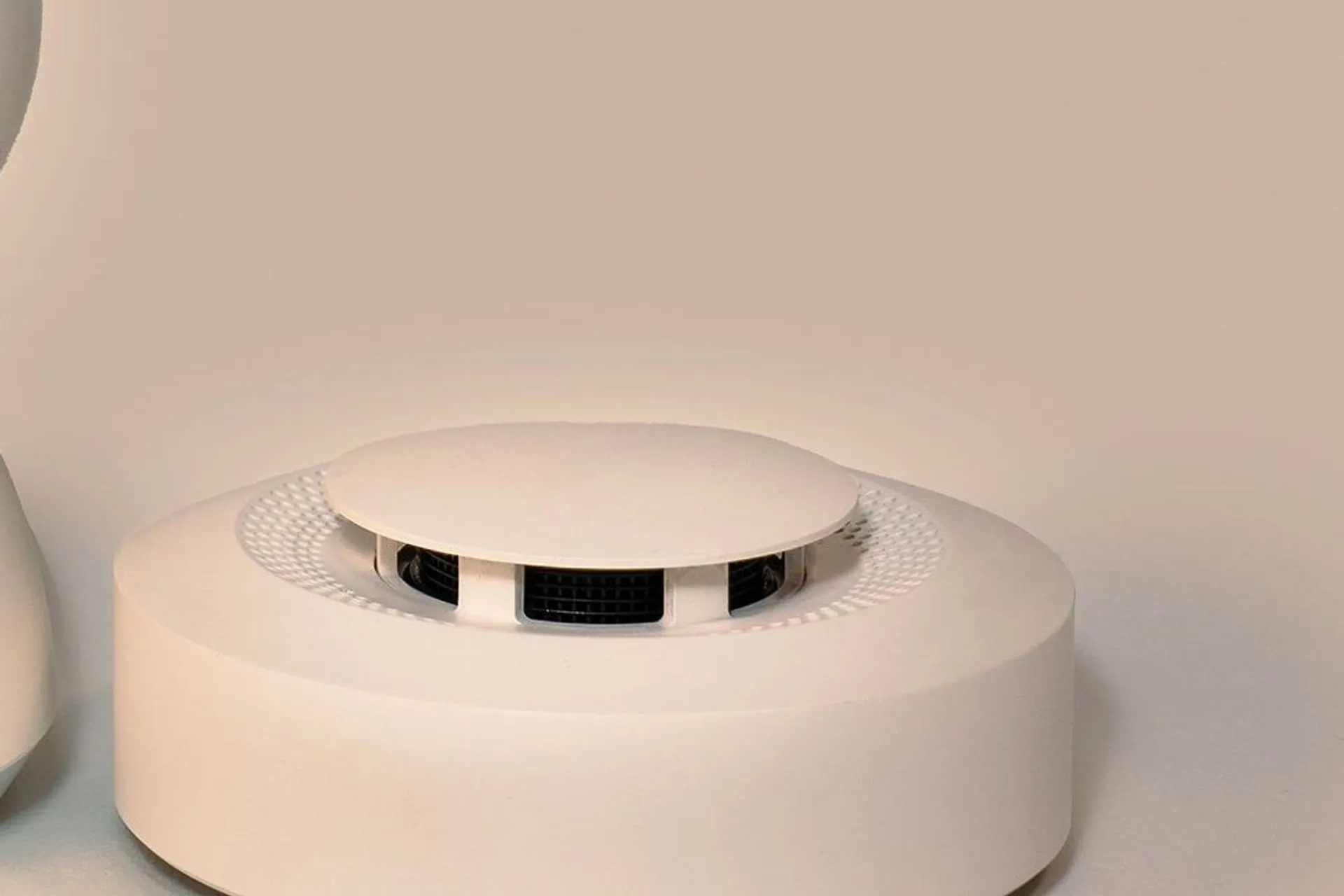
Stock photo, for illustration only. Last updated .
Smoke alarm installation is a small electrical job with a big payoff. Working smoke alarms give you the early warning you need to get out of a house fire, particularly at night. In Adelaide, most jobs involve fitting hard wired (240 volt) photoelectric smoke alarms, replacing old alarms that have passed their 10-year life, or linking alarms so they all sound together.
SuperFox is an enquiry service. We pass your enquiry to one local electrician, who calls you back and quotes. For other electrical work, see our electrician Adelaide hub.
Smoke alarm rules in South Australia
The SA Government sets out which smoke alarms a home needs based on when it was built or bought. The key points from its guidance:
| Your situation | What’s required |
|---|---|
| Home built from 1 January 1995 | 240 volt mains-powered smoke alarms (Building Code of Australia) |
| Home bought from 1 February 1998 | Mains-powered alarms, or 10-year non-replaceable, non-removable battery alarms, fitted within six months of the title transfer |
| Home bought before 1 February 1998 | At minimum, replaceable battery-powered smoke alarms |
| New homes, additions and extensions | Smoke alarms must be interconnected |
| Rental properties | The landlord is responsible for installing and maintaining alarms |
Alarms must comply with Australian Standard AS 3786, and all domestic smoke alarms should be replaced after 10 years. Rules can change, so check the current smoke alarm page on sa.gov.au, or ask the electrician, if you are buying, selling or leasing a property.
Signs you need smoke alarm replacement
- The alarm is more than 10 years old, or has no date on it
- It chirps or beeps even with a new battery
- It is an older ionisation alarm and you want photoelectric
- The test button produces no sound, or a weak one
- It is yellowed, painted over or full of dust
- Your alarms aren’t interconnected and you can’t hear one from the bedrooms
- You have just bought the home and the alarms don’t meet the rules above
If an alarm keeps beeping, our guide to a smoke alarm beeping explains the common causes and what is safe to check yourself.
Photoelectric, hard wired and interconnected alarms explained
Photoelectric smoke alarms detect visible smoke particles and respond well to slow, smouldering fires, which are common in homes at night. Fire services, including the SA Metropolitan Fire Service, recommend photoelectric alarms.
Hard wired smoke alarms connect to the home’s 240 volt supply and usually have a back-up battery for power cuts. Because they connect to mains power, a licensed electrician has to install them.
Interconnected smoke alarms are linked, either by cable or by a wireless signal, so when one alarm detects smoke, every alarm in the house sounds. New homes and additions in SA must have interconnected alarms, and many owners of older homes add interconnection when replacing alarms.
What’s involved in smoke alarm installation
A typical job looks like this:
- Check the existing alarms: age, type, location and whether they are mains-powered.
- Plan positions. Alarms usually go on the ceiling in hallways outside bedrooms and on each level, kept clear of corners, air-con vents and kitchens where cooking causes false alarms.
- Fit the new alarms. Where hard wired alarms are replacing the same brand, the electrician may use the existing wiring base. New positions may need cable run through the roof space.
- Interconnect the alarms by cable or wireless link.
- Test every alarm and show you how to use the test and hush buttons.
- Issue a certificate of compliance for the electrical work.
Smoke alarms in Adelaide homes
Many Adelaide homes have a mix of alarms added over the years: an original hard wired unit in the hallway, a battery alarm stuck up later, and nothing in the newer extension. Older homes with low-pitched roofs can make cable runs harder, which is one reason wireless interconnected alarms are popular in retrofits.
In the Adelaide Hills and other bushfire-prone areas, smoke alarms are not a bushfire warning system, but they are still your first warning of a fire inside the house. Landlords with several properties often ask an electrician to replace all alarms at once when they reach 10 years, so the dates line up.
What affects the price of smoke alarm installation?
The electrician quotes before work starts. The main factors are:
- Number of alarms and the size and layout of the home
- Hard wired vs 10-year battery alarms
- Interconnection method: cable through the roof or wireless
- Roof access. Low or tight roof spaces and two-storey homes take longer
- Existing wiring. Reusing a compatible base is quicker than running new cable
- Other work at the same time, such as safety switches or new lighting installation
What to ask the electrician
Electrical work in SA must be done by a licensed electrical worker. You can check a licence on the Consumer and Business Services (CBS) public register. Ask:
- Will the alarms be photoelectric and comply with AS 3786?
- Will they be interconnected, and by cable or wireless?
- Do the new alarms meet the SA rules for my home, especially if I’ve just bought it or lease it out?
- What is the expiry date of the new alarms?
- Will I receive a certificate of compliance?
Safe checks you can do yourself
Press the test button on each alarm monthly, vacuum dust from the vents, and replace the battery in replaceable battery models once a year. Don’t open, rewire or remove hard wired alarms; leave that to an electrician.
Getting your smoke alarms sorted
Send one enquiry through the contact form or call 08 6800 6079. We pass your details to one local electrician, who calls you back within 24–48 hours to quote.